Serengeti National Park
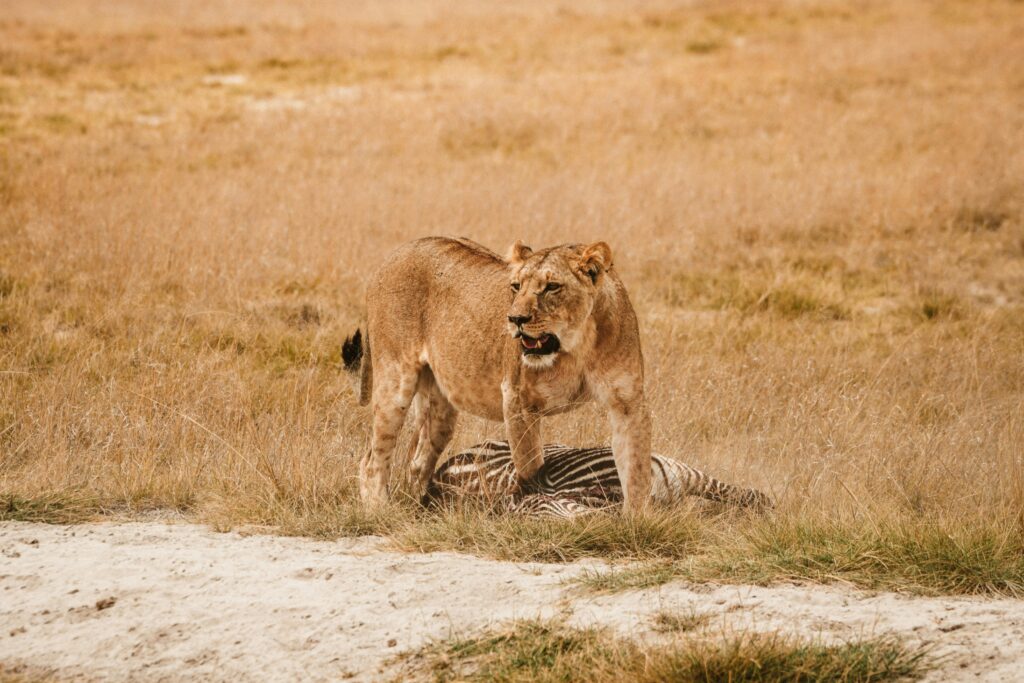
Serengeti National Park, located in northern Tanzania, is one of the most famous and iconic wildlife reserves in the world. Spanning approximately 14,750 square kilometers, the park is renowned for its breathtaking landscapes, which range from open plains and woodlands to riverine forests and rocky outcrops. The Serengeti is perhaps best known for the Great Migration, where millions of wildebeest, zebras, and gazelles travel in search of fresh grazing grounds, creating one of nature’s most spectacular events. With its rich biodiversity, the park is home to a wide array of wildlife, including the “Big Five”—lions, elephants, buffalos, leopards, and rhinoceroses—as well as countless other species, making it a premier destination for wildlife enthusiasts and photographers alike.


Experience the Serengeti National Park
Wildlife at the Serengeti National Park
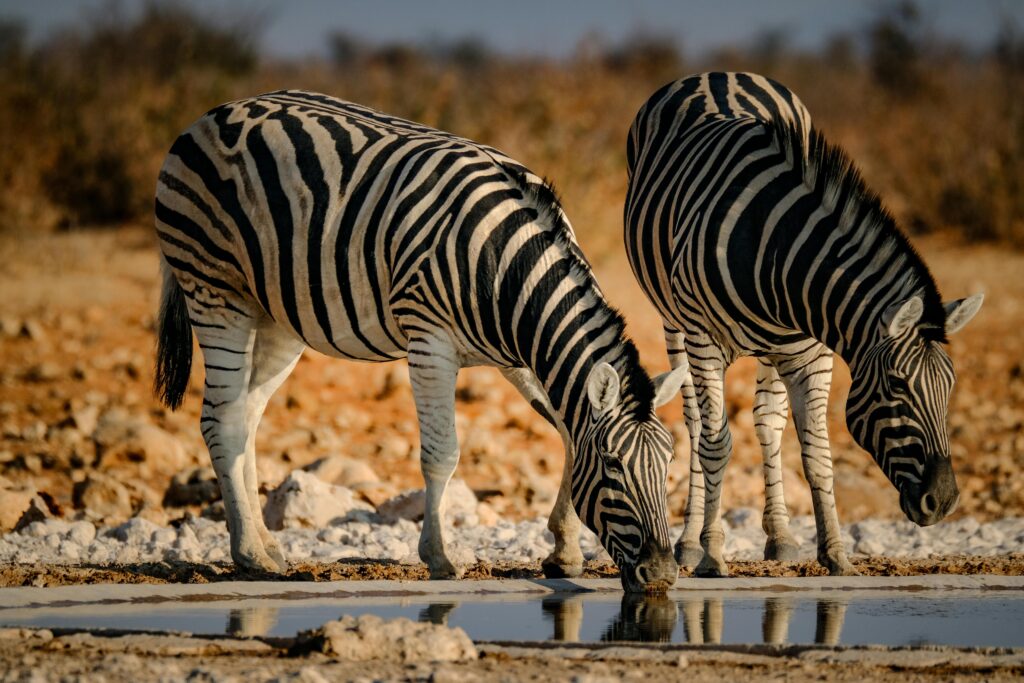
The Serengeti National Park in Tanzania is renowned for its unrivaled wildlife spectacle. It is perhaps most famous for the annual Great Migration, where over 1.5 million wildebeest and hundreds of thousands of zebras and gazelles move across the plains in search of fresh grazing. The park offers excellent opportunities to see all members of the Big Five: lions, elephants, buffalo, leopards, and rhinos (though rhinos are more elusive). The expansive Serengeti plains are home to numerous predators, particularly lions, which are often seen hunting. Cheetahs and leopards can also be spotted. Apart from predators, the park is teeming with herbivores like giraffes, zebras, and various antelope species, making it one of Africa’s richest wildlife destinations.
Birdlife at the Serengeti National Park.
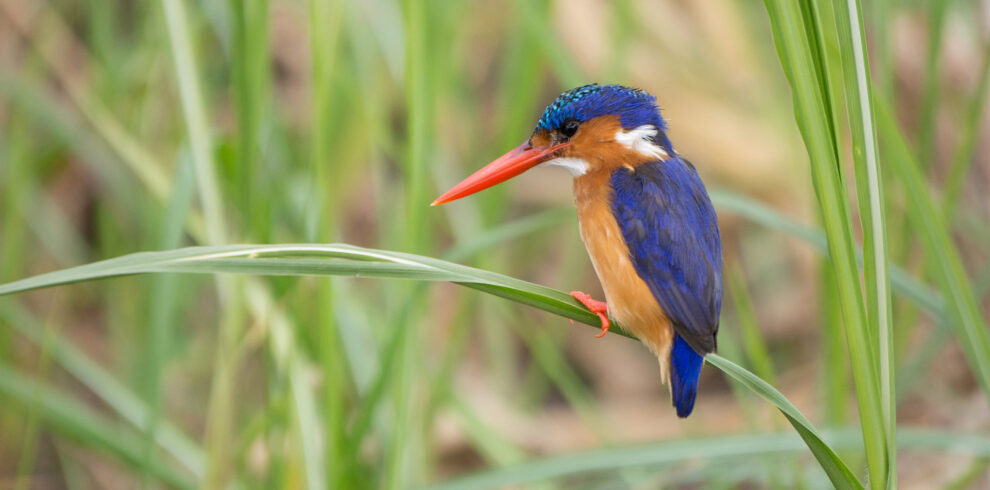
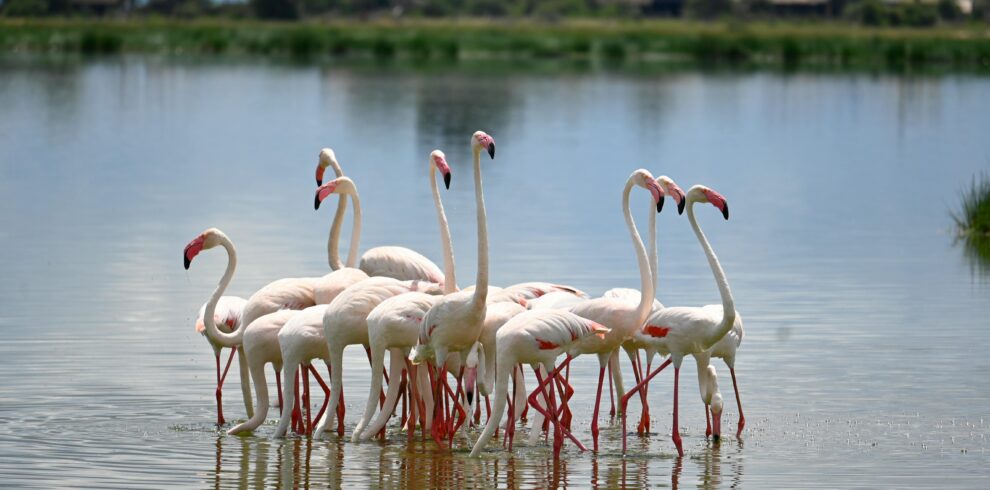
NSerengeti National Park is a birdwatcher's dream, with more than 500 species recorded. The park's varied habitats, including grasslands, woodlands, and riverine forests, provide ample birdwatching opportunities. Common species include the Fischer’s lovebird, grey-breasted spurfowl, and a variety of vultures circling overhead. Raptors are abundant, with species like the martial eagle and Bateleur eagle frequently soaring across the plains. Waterbirds such as herons and storks can be seen near rivers and lakes. Migratory birds are present from November to March, enriching the birding experience during these months.
Fun Facts
The Great Migration: The Serengeti is home to the largest animal migration on Earth, involving approximately 1.5 million wildebeest and hundreds of thousands of zebras and gazelles that travel over 1,800 miles each year in search of food and water.
Diverse Ecosystems: The park’s diverse ecosystems host over 3 million large mammals and more than 500 bird species, showcasing a rich tapestry of wildlife that makes it a UNESCO World Heritage Site.
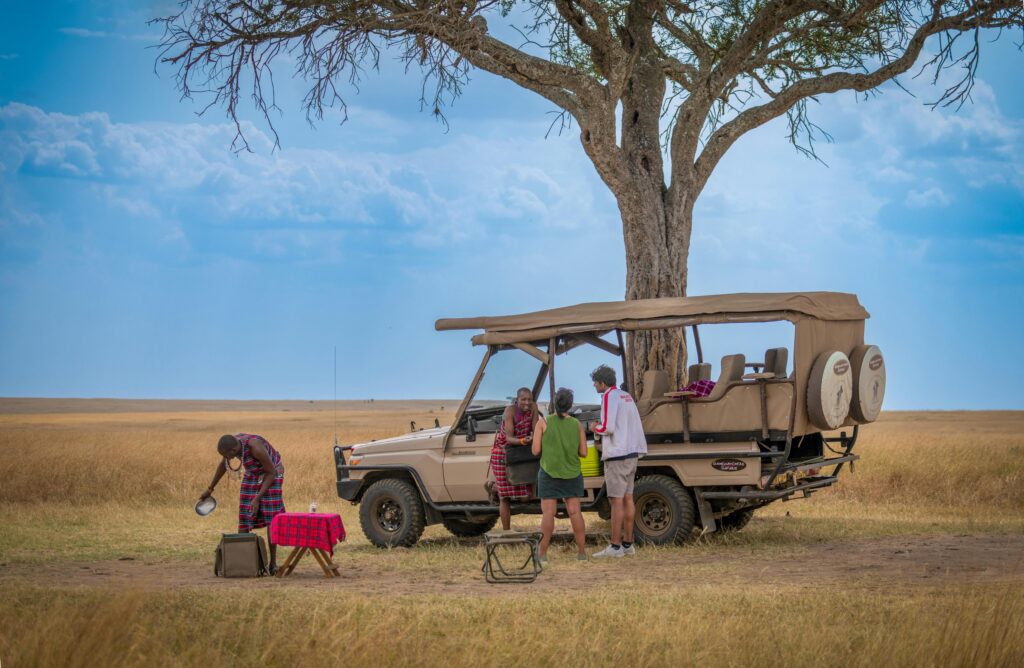
Cultural Heritage: The Serengeti is not only a wildlife haven but also an area steeped in cultural history, inhabited by the Maasai people who have coexisted with the wildlife for centuries, showcasing their rich traditions and deep connection to the land.
Olduvai Gorge: Located near the park, Olduvai Gorge is known as the “Cradle of Mankind” due to the discovery of early hominid fossils that have provided significant insights into human evolution.
Best time to visit Maasai Mara Game Reserve
The best time to visit Serengeti National Park is during the dry season, which runs from June to October. During this period, wildlife is easier to spot as animals congregate around water sources, and the vegetation is less dense. The Great Migration typically occurs from late June to October, with the peak crossing of the Mara River happening between July and September, offering visitors an unforgettable experience. While the wet season (November to May) can make some areas challenging to navigate, it also brings lush scenery and fewer tourists, making it a good time for birdwatching and viewing newborn animals.