Gombe Stream National Park
Gombe Stream National Park, located in western Tanzania along the shores of Lake Tanganyika, is one of the smallest national parks in the country, but it is arguably one of the most famous due to its significance in the study of chimpanzee behavior. Established in 1968, Gombe is best known for its chimpanzee population and its historical association with renowned primatologist Jane Goodall, whose groundbreaking research here revolutionized our understanding of primates and human evolution.
The park is characterized by its lush miombo woodlands, tropical rainforests, and scrubby savanna. It is a paradise for those interested in wildlife observation, particularly primates, and offers a chance to see chimps in their natural habitat. The park is also home to a variety of other wildlife species, including blue monkeys, red colobus monkeys, baboons, and a range of bird species.


Experience the Gombe Stream
Wildlife at the Gombe Stream
Gombe Stream National Park is famous for its population of wild chimpanzees, which have been studied by researchers since the 1960s. Trekking through the forest to observe these fascinating primates in their natural habitat is the main attraction. In addition to chimpanzees, the park is home to other primates like olive baboons and red colobus monkeys. The forested terrain also supports small populations of forest antelopes and bush pigs, while the crystal-clear waters of Lake Tanganyika provide opportunities for snorkeling and swimming.
Birdlife at the Gombe Stream
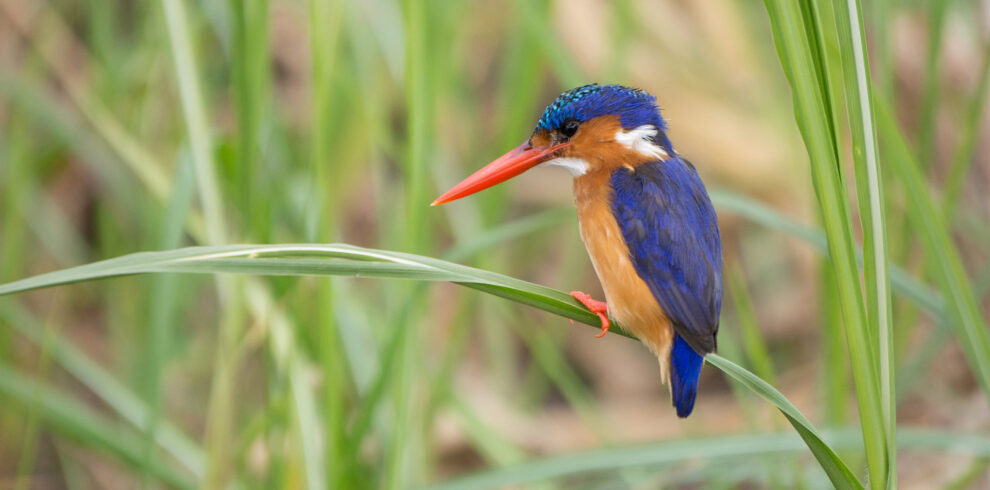
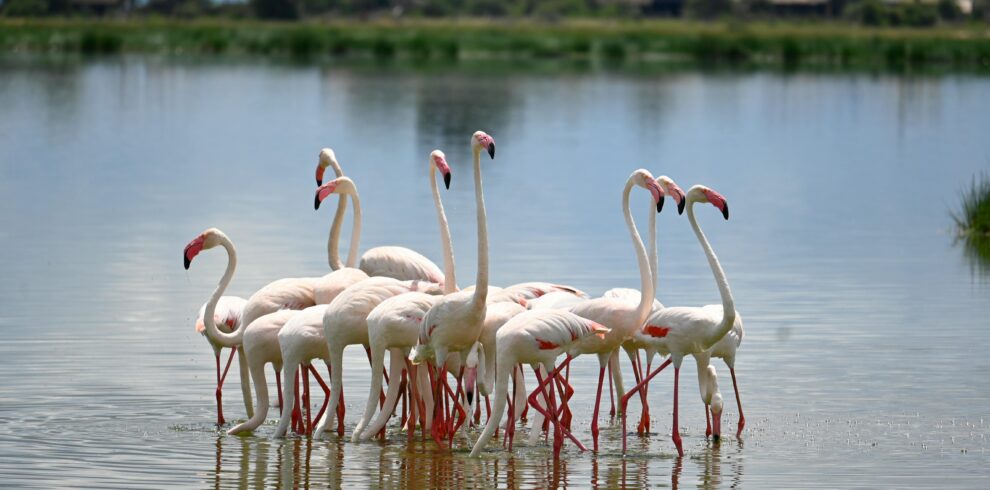
Gombe Stream National Park is home to over 200 bird species, making it a great destination for birdwatching. The park’s forested habitats are home to a variety of species, including African crowned eagles, trumpeter hornbills, and palm-nut vultures. Lake Tanganyika’s shores attract waterbirds such as kingfishers and herons. Migratory birds arrive from November to March, though birding is rewarding throughout the year due to the presence of many resident species.
Fun Facts
Jane Goodall’s Legacy: Gombe is famous for being the site of Jane Goodall’s groundbreaking research that began in the early 1960s. Goodall’s work at Gombe revolutionized the field of primatology, with her discoveries about chimpanzees using tools, their complex social behaviors, and their emotional bonds challenging previously held beliefs about primates.
Chimpanzees and Human Behavior: One of the most famous discoveries made by Goodall was that chimps are capable of using tools to extract termites and other insects, a behavior once thought to be uniquely human. This discovery helped bridge the gap in understanding between humans and primates.
Small but Significant: Despite being relatively small (only about 52 square kilometers), Gombe is a critical conservation area for chimpanzees, with around 100-150 chimps living in the park. The park’s isolation on the shores of Lake Tanganyika makes it a unique and peaceful environment for these endangered animals.
Lake Tanganyika: Gombe’s location along the shores of Lake Tanganyika, the second-deepest lake in the world, offers stunning views and a chance to experience the serenity of a pristine freshwater lake in addition to chimpanzee trekking.
Primates Galore: In addition to chimpanzees, Gombe is home to several other primate species, including blue monkeys, red colobus monkeys, baboons, and l’Hoest’s monkeys. The diversity of primates in this small park is remarkable.
Rich Birdlife: Gombe is a prime birdwatching destination, with over 200 bird species recorded, including pied kingfishers, fish eagles, and migratory species that can be seen during the wet season. Birdwatching is particularly rewarding around the lake and in the park’s forested areas.
Best time to visit Gombe Stream
Dry Season (June to October): The dry season is the best time to visit Gombe for chimpanzee trekking. During this time, the forest is less dense, making it easier to track and observe the chimps as they move around more frequently. Wildlife is more concentrated around water sources, and trekking conditions are better, as the terrain is less muddy.
Green Season (November to May): The wet season brings lush greenery and an abundance of food for the wildlife, which can make chimpanzee tracking a bit more challenging as the animals may move to different, less accessible areas. However, this is also the time when the forest is most vibrant, and birdwatching is particularly rewarding, with migratory species arriving.