
Arusha National Park
Arusha National Park, located in the northern part of Tanzania, is often overshadowed by its more famous neighbors, such as the Serengeti and Ngorongoro Crater. However, it is a hidden gem with diverse landscapes, rich biodiversity, and a unique mix of ecosystems. The park covers just 137 square kilometers but offers an exceptional variety of experiences. From lush montane forests and swamps to savanna plains and the striking Mount Meru, it’s a destination that appeals to travelers looking for a more intimate safari experience, often combined with a view of iconic Tanzanian landscapes.
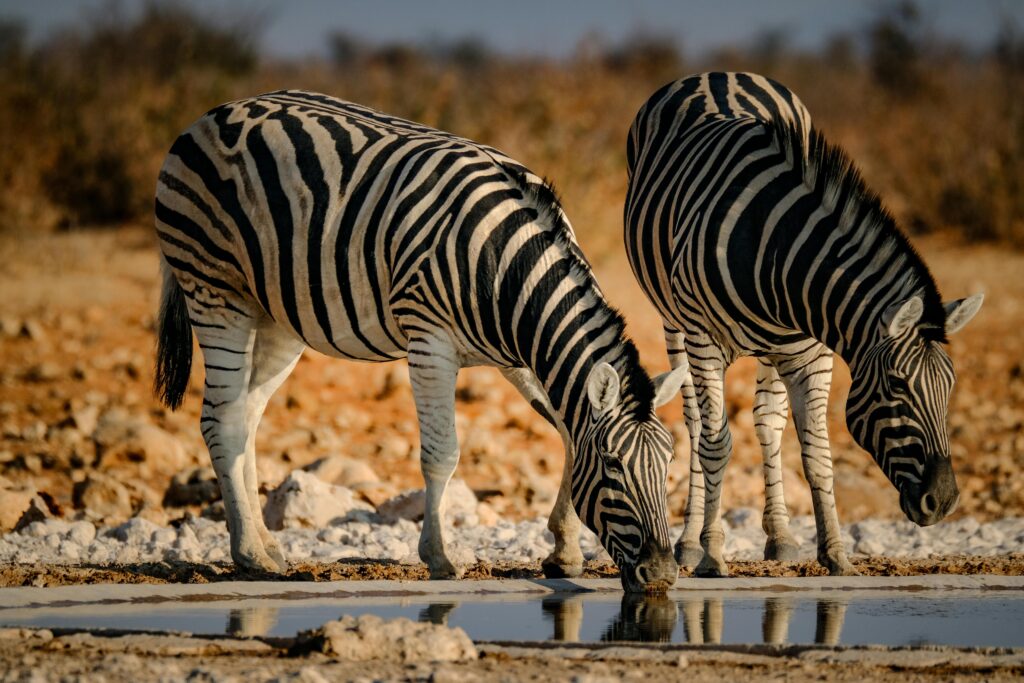
Arusha National Park is known for its scenic beauty and its variety of wildlife, including giraffes, zebras, antelopes, and colobus monkeys, and it also provides one of the few places where visitors can see wildlife up close without the heavy tourist crowds.


Experience the Arusha National Park
Wildlife at the Arusha National Park
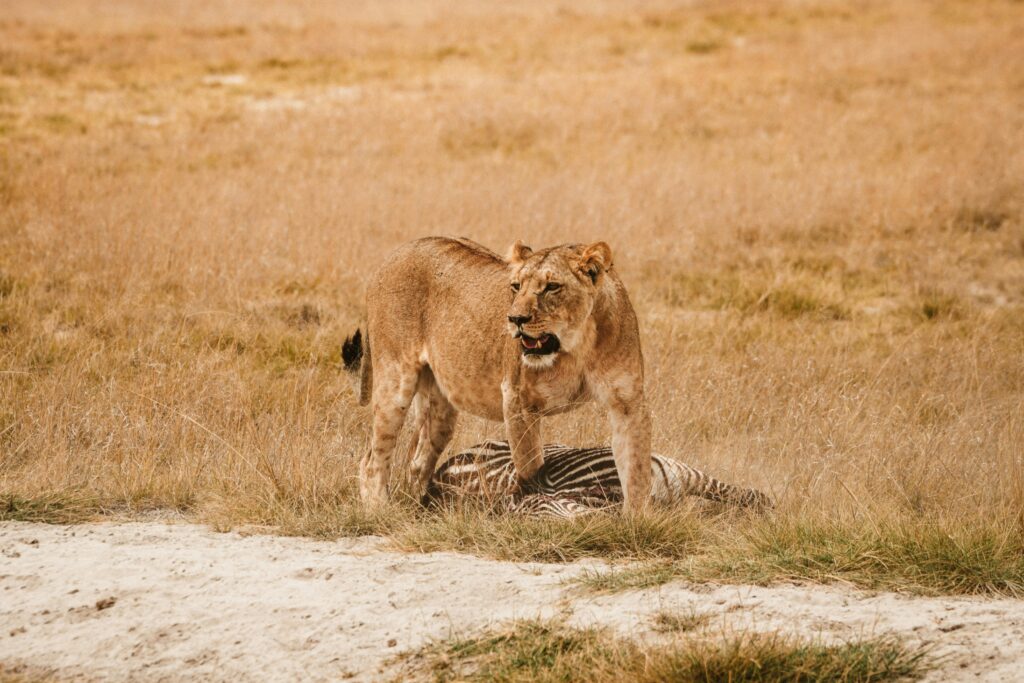
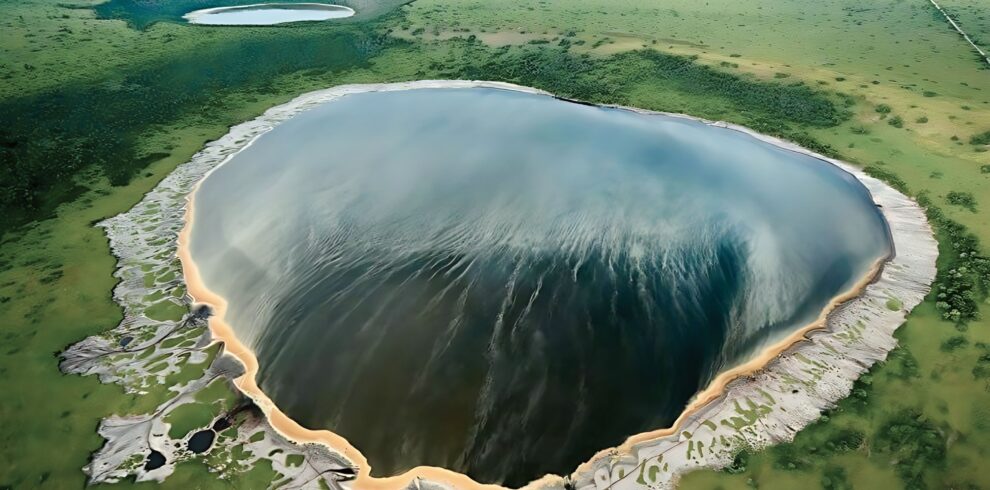
Arusha National Park may be one of Tanzania’s smaller parks, but it is incredibly diverse in terms of its landscapes and wildlife. The park’s highlights include the Momella Lakes, Mount Meru, and the Ngurdoto Crater, all of which provide different habitats for a variety of animals. The park is home to large populations of giraffes, buffalo, and zebras, and you can also spot waterbucks, warthogs, and bushbucks in the forests and grasslands. Although Arusha National Park is not known for its large predators, it does host leopards and spotted hyenas, which are occasionally seen. Colobus monkeys, blue monkeys, and the rare duiker are among the forest’s highlights.
Birdlife at the Arusha National Park
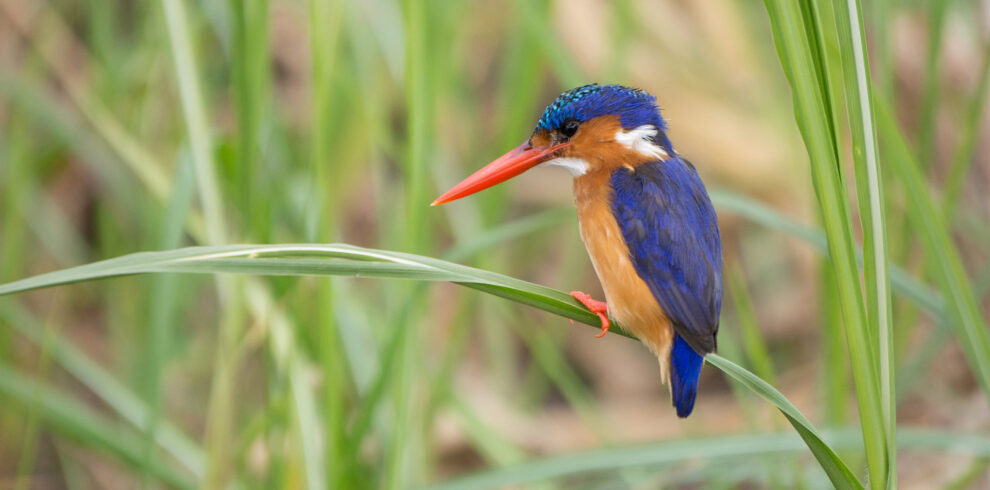
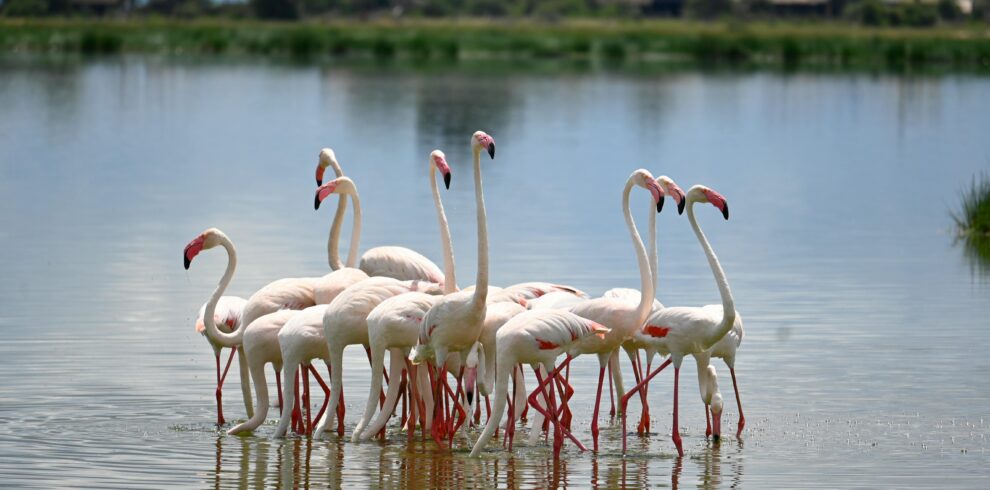
With more than 400 bird species recorded, Arusha National Park is an excellent birdwatching destination. The Momella Lakes are a hotspot for waterbirds, with flamingos, pelicans, and a variety of ducks and waders frequenting the area. The park's forests are home to species like the silvery-cheeked hornbill and Narina trogon, while raptors such as the crowned eagle can be seen soaring above the tree canopy. Migratory birds are present from November to April, but birdwatching is rewarding year-round due to the park’s rich variety of resident species.
Fun Facts
Mount Meru: The park is home to Mount Meru, the second-highest peak in Tanzania after Mount Kilimanjaro. The mountain is a popular trekking destination and offers stunning views of the surrounding landscapes, including a panoramic vista of the nearby Ngorongoro Crater and Mount Kilimanjaro on clear days.
Rich Birdlife: Arusha National Park is known for its diverse bird species, with over 400 species recorded. It is a prime destination for birdwatchers, with species like flamingos, hornbills, sunbirds, and bald ibis frequently spotted around the park’s lakes and forests.
Unique Wildlife: While not as famous for its large predators, Arusha National Park is known for its black-and-white colobus monkeys, which are often spotted in the park’s lush forests. Additionally, visitors can find giraffes, zebras, buffaloes, and waterbucks.
Cultural Significance: The park lies in close proximity to the city of Arusha, making it a great option for travelers on tight schedules who want a quick wildlife escape. It’s also an excellent introduction to the natural beauty of Tanzania before embarking on safaris to larger parks.
Best time to visit Arusha National Park
-
Dry Season (June to October): The dry season is the best time for wildlife viewing in Arusha National Park. As water sources become scarcer, animals congregate near rivers and waterholes, making it easier to spot wildlife. The weather is pleasant, with clear skies and less vegetation, making animal sightings more frequent.
-
Green Season (November to May): During the wet season, the park transforms into a lush paradise, with verdant vegetation and abundant birdlife. While some roads may become muddy and wildlife can be more dispersed, this is an excellent time for birdwatching, and the lush scenery is at its peak.