Ngorongoro Conservation Area

Ngorongoro Conservation Area

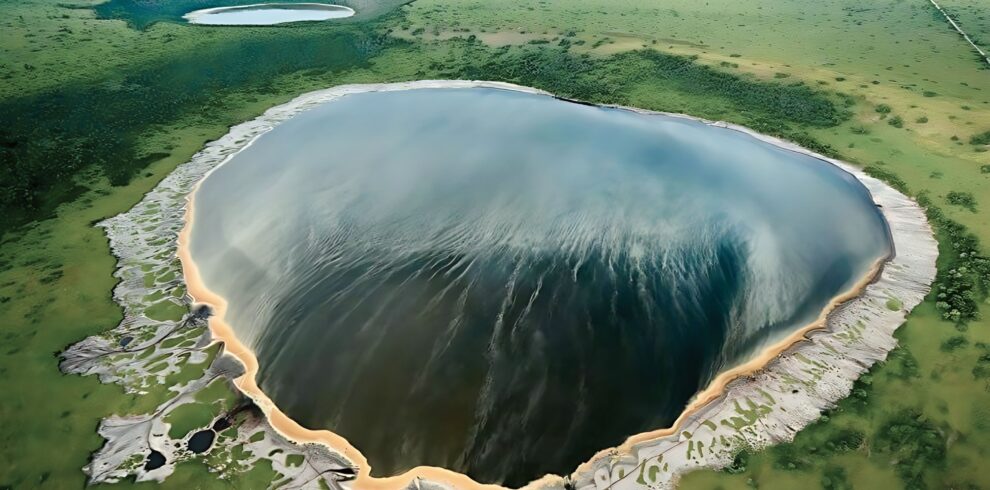
The Ngorongoro Conservation Area is a UNESCO World Heritage Site located in northern Tanzania, just a short drive from Serengeti National Park. It is best known for the Ngorongoro Crater, the world’s largest unbroken caldera, which was formed millions of years ago following a volcanic eruption. This unique geological feature creates a lush, wildlife-rich ecosystem surrounded by steep crater walls, creating a natural sanctuary for animals.

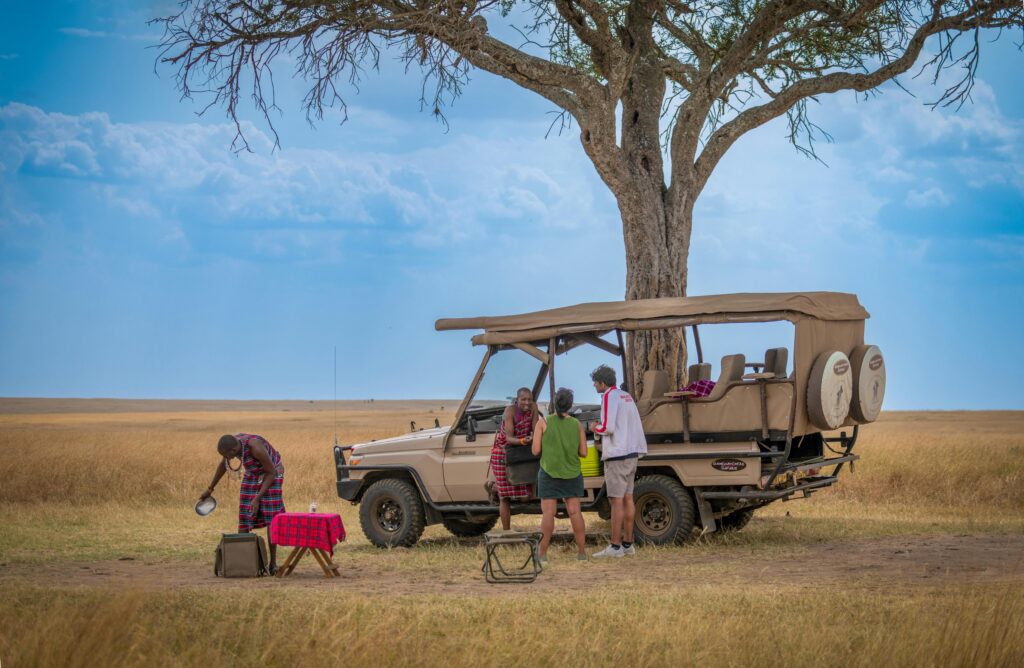
The Ngorongoro Conservation Area is a blend of natural beauty and human history, with the Maasai people coexisting with wildlife in the area. The conservation area is home to a rich diversity of animals, including the “Big Five,” as well as unique bird species, and even the endangered black rhino.

Experience the Ngorongoro Conservation Area

Wildlife at the Ngorongoro Conservation Area

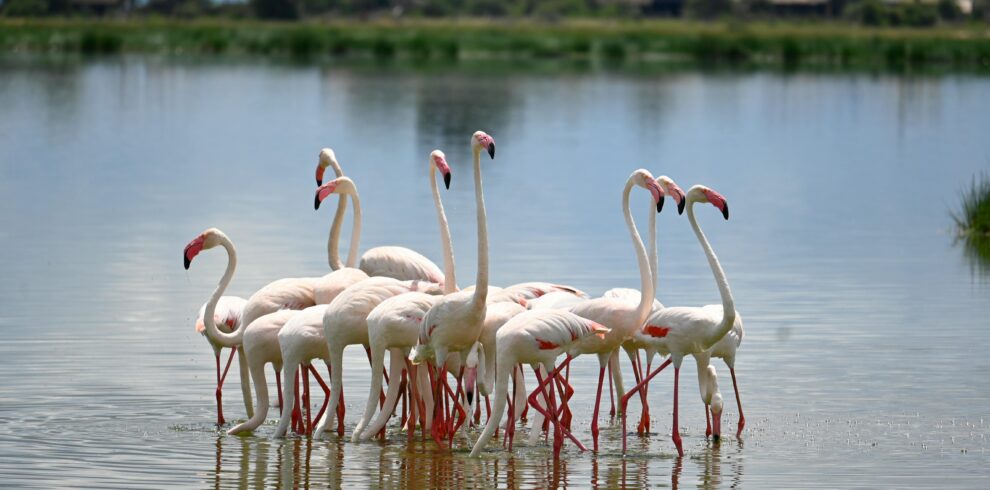
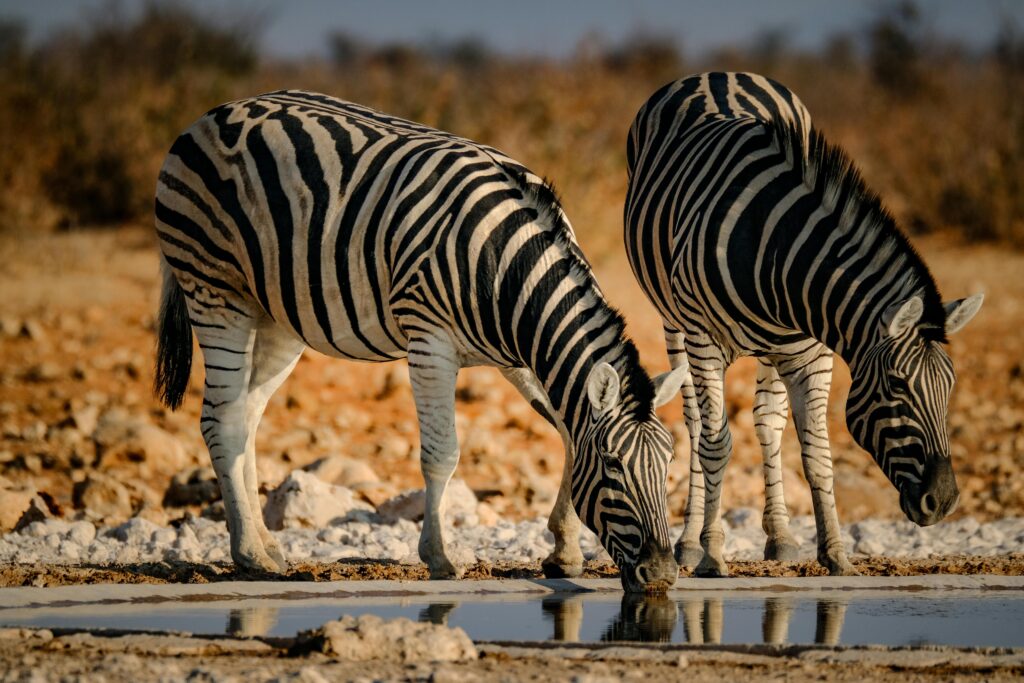
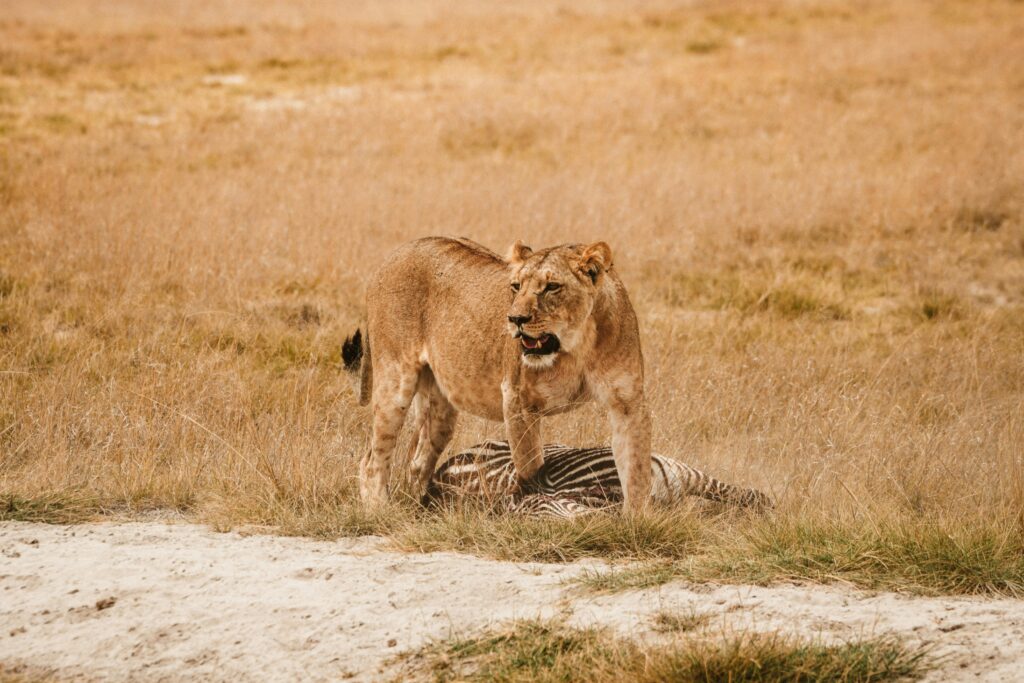
The Ngorongoro Conservation Area, home to the world-famous Ngorongoro Crater, offers some of the most concentrated wildlife viewing in Africa. The crater is one of the best places to see black rhinos, as well as large populations of lions, elephants, and buffalo. Leopards and cheetahs also roam the area, though they are more elusive. The crater’s diverse habitats, ranging from open plains to forested areas, provide homes for a variety of species, including hippos, wildebeest, and zebras. The mineral-rich lake within the crater is also frequented by flamingos, adding a splash of pink to the dramatic landscape.

Birdlife at the Ngorongoro Conservation Area

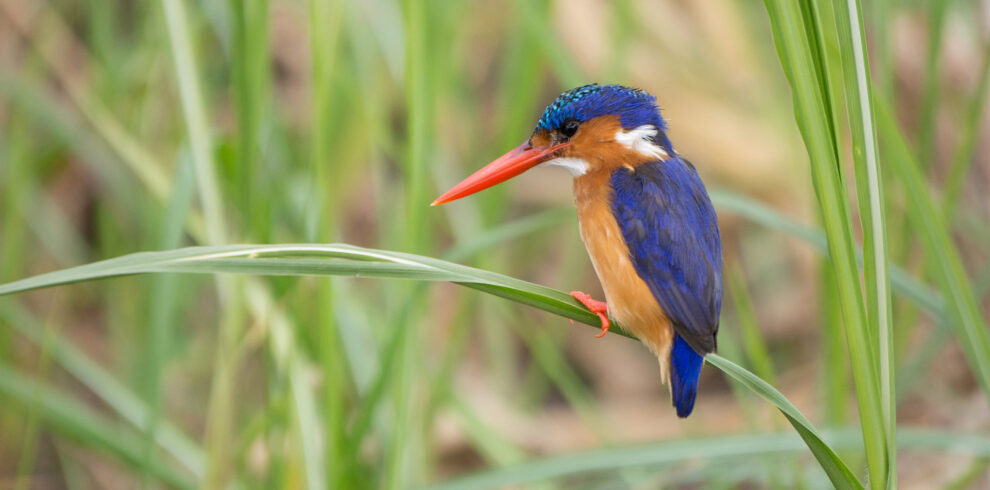
Ngorongoro is home to over 400 bird species, including both highland and lowland species due to the unique geography of the area. The highlands support species like the Jackson’s widowbird and African pygmy kingfisher, while waterbirds such as flamingos and pelicans gather around the crater lake. The high cliffs surrounding the crater are home to a variety of raptors, including augur buzzards and Verreaux’s eagles. The best time for birdwatching is from November to March when migratory birds arrive, although birdwatching is excellent year-round.
Fun Facts

  • The “Eighth Wonder of the World”: Ngorongoro Crater is often called the “Eighth Wonder of the World” due to its stunning natural beauty and the abundance of wildlife it supports within its walls.

  • High Wildlife Density: The crater is home to a dense population of wildlife, including elephants, lions, zebras, and buffaloes. It is one of the best places in Tanzania to see the endangered black rhino in its natural habitat.

  • Maasai Culture: The Ngorongoro Conservation Area is unique because it allows the Maasai people to live and graze their livestock within the area, coexisting peacefully with the wild animals. Their presence adds a fascinating cultural dimension to a visit.

  • A Crater, Not a Volcano: The Ngorongoro Crater is the remnants of a collapsed volcano, not an actual volcanic crater. It is thought to have formed millions of years ago when the original volcano erupted and then imploded.

  • Rich Archaeological History: The conservation area is part of the Olduvai Gorge, often called the “Cradle of Humankind,” where some of the earliest hominid fossils have been found, dating back over 1.9 million years. This region is key to understanding human evolution.

  • Largest Unbroken Caldera: The Ngorongoro Crater spans around 100 square miles in diameter and rises nearly 2,000 feet above the surrounding plains, making it one of the largest and most intact calderas on Earth.

Best time to visit Maasai Mara Game Reserve

  • Dry Season (June to October): Like most of Tanzania, the dry season is the best time to visit Ngorongoro. Wildlife congregates around the crater’s permanent water sources, making it easier to spot animals. The weather is pleasant, and the landscape is typically clear and less muddy, especially within the crater.

  • Green Season (November to May): This period is considered the wet season, with lush greenery and vibrant landscapes. Although some areas can become muddy and harder to navigate, this is a great time for birdwatching, as migratory bird species arrive, and newborn animals can be seen in the lush environment.

Other Popular Destinations

Scroll to Top
× Hi, how can we simplify, your travel?
×