Queen Elizabeth National Park
Located in western Uganda, Queen Elizabeth National Park is the second-largest national park in the country, covering around 1,978 square kilometers. Situated between the Rwenzori Mountains and the Kazinga Channel, the park is one of Uganda’s most popular wildlife destinations, known for its diverse ecosystems that range from savanna to wetlands and forests. The park is also famous for its tree-climbing lions in the Ishasha Sector, an unusual behavior that attracts wildlife photographers and nature enthusiasts. With its proximity to Lake Edward and Lake George, the park is teeming with wildlife, from hippos and crocodiles to elephants and buffaloes, creating a rich environment for safaris.
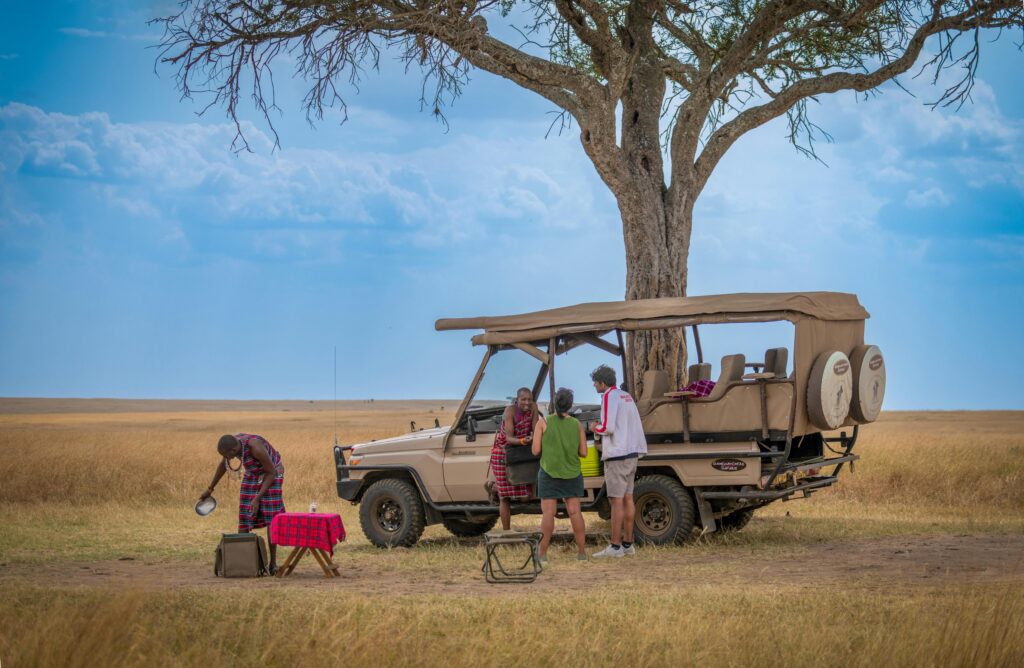
Queen Elizabeth National Park offers a range of activities, including game drives, boat safaris, nature walks, and chimpanzee trekking in the nearby Kyambura Gorge. The Kazinga Channel, which connects Lake Edward and Lake George, provides one of the most popular boat safaris in Uganda, where visitors can observe large groups of hippos, crocodiles, and a variety of bird species. The park’s diversity of wildlife, stunning landscapes, and excellent safari opportunities make it a must-visit destination for any nature lover visiting Uganda.


Experience the Queen Elizabeth National Parkk
Wildlife at the Queen Elizabeth
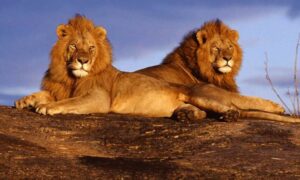
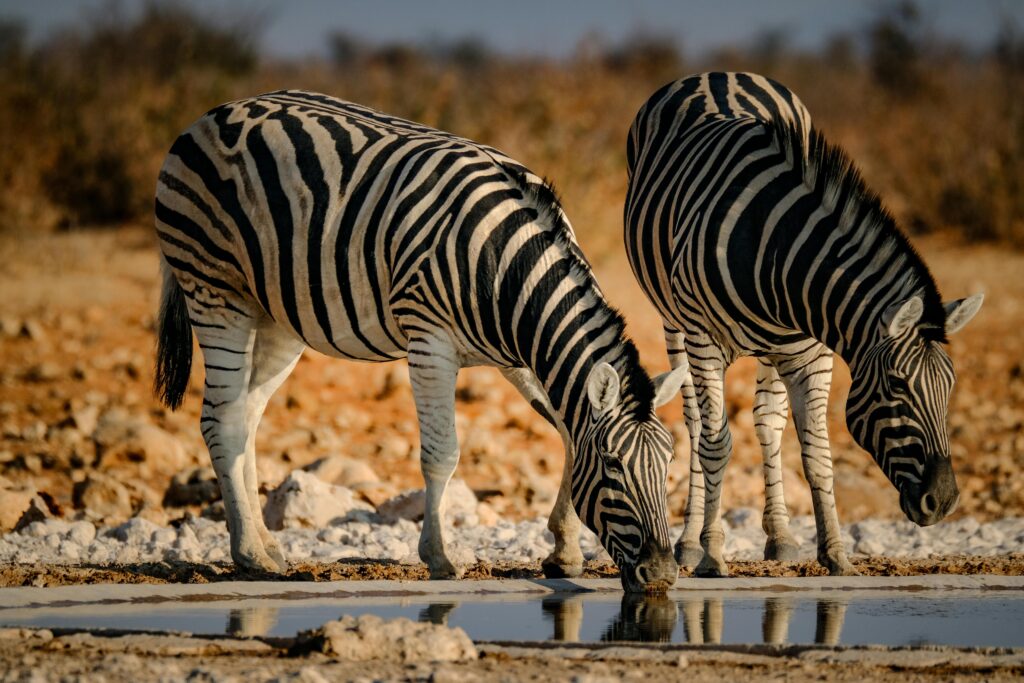
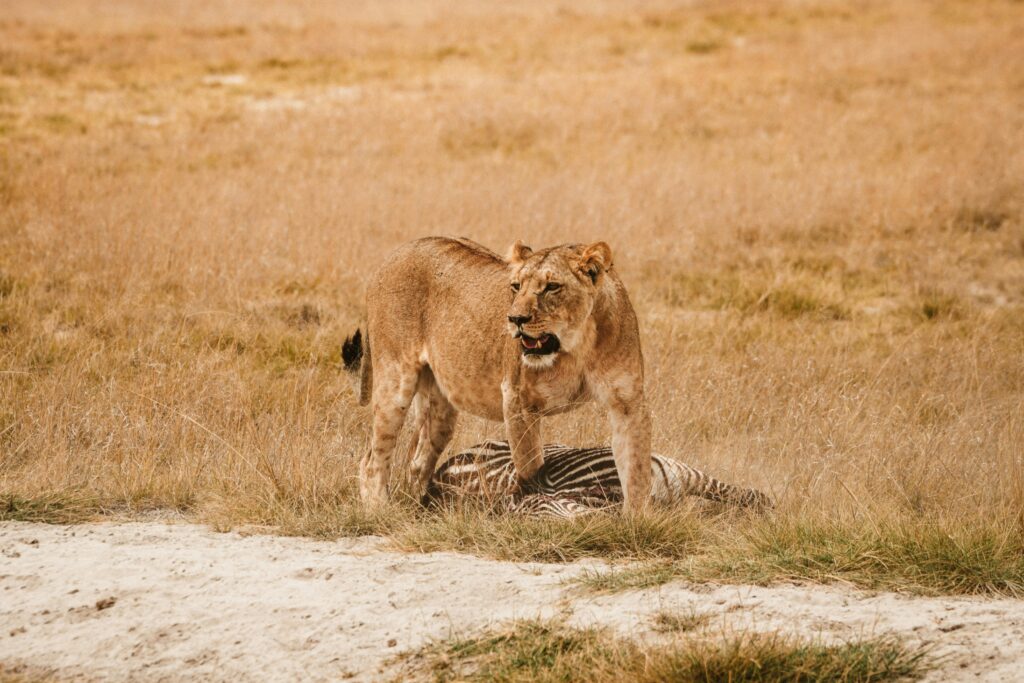
Queen Elizabeth National Park is home to over 95 mammal species, including the Big Four (excluding the rhino). Elephants, lions, leopards, buffaloes, and hippos are commonly seen, especially near water sources. The Ishasha Sector is famous for its tree-climbing lions, which can often be seen lounging in the branches of fig trees, an unusual and rare sight. Other mammals in the park include waterbucks, kobs, bushbucks, and topis, making it a fantastic safari destination.
Birdlife at the Queen Elizabeth
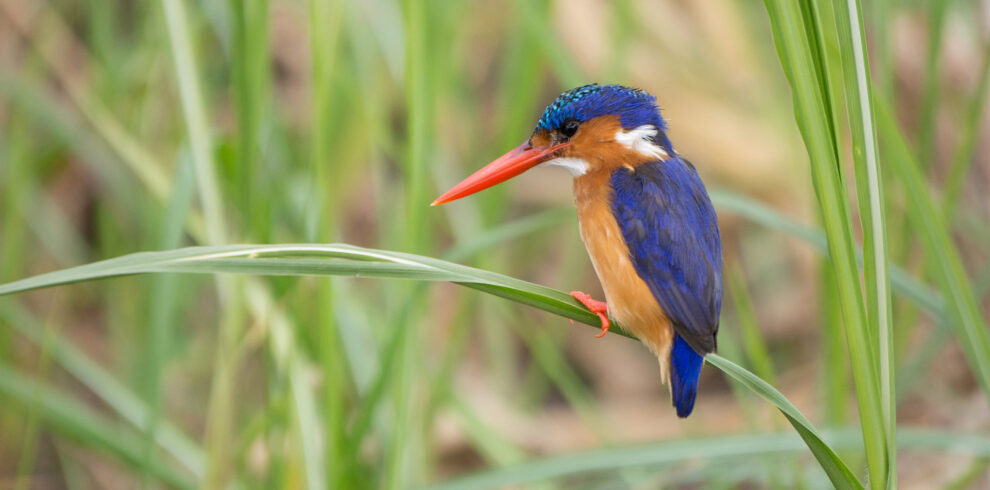
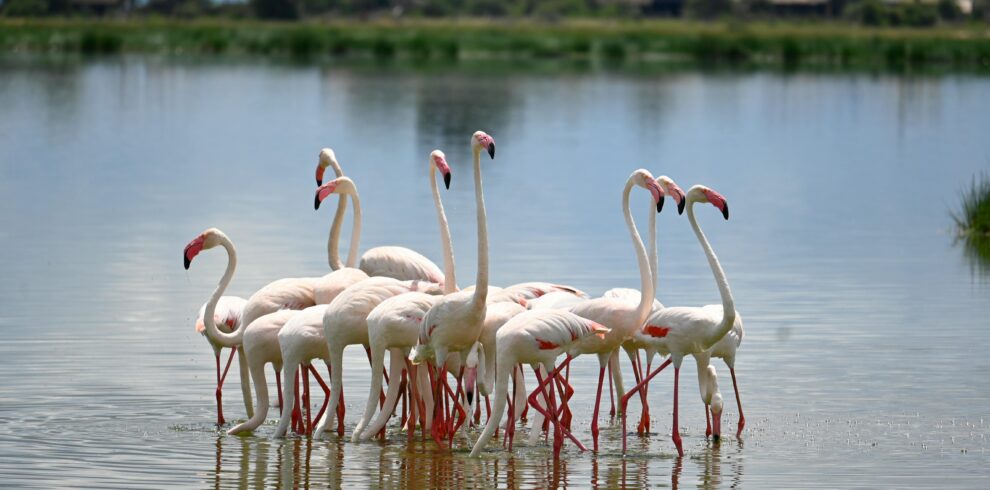
Queen Elizabeth National Park boasts over 600 bird species, making it one of the top birdwatching locations in Uganda. The park's diverse habitats, from wetlands to savannas, support a wide range of birds. Notable bird species include the shoebill stork, African fish eagle, and martial eagle. The park is especially renowned for its birdlife along the Kazinga Channel, where a variety of waterfowl and fish-eating birds can be observed.
Fun Facts
Largest National Park in Tanzania: Nyerere is not only one of the largest national parks in Tanzania, but it is also one of the largest protected areas in the world. It was designated as a UNESCO World Heritage Site in 1982 due to its vast size and ecological significance.
Elephant Paradise: Nyerere is home to one of the largest elephant populations in Africa. During the dry season, huge herds of elephants can be seen gathering along the Rufiji River. The park’s elephant population is estimated to number over 50,000 individuals, making it a prime destination for elephant lovers.
Rufiji River: The Rufiji River is a major feature of the park, stretching over 600 kilometers and meandering through the park’s wetlands and forests. It supports a diverse ecosystem, providing life for animals such as hippos, crocodiles, and countless bird species. Game viewing along the river is exceptional, particularly during the dry season.
Diverse Ecosystems: The park’s ecosystems vary widely, from riverine forests and wetlands to dense miombo woodlands and open savanna. This diversity creates a habitat for a huge variety of wildlife, including lions, leopards, cheetahs, wild dogs, and a wide range of antelope species.
Rhino Conservation: Nyerere is part of Tanzania’s efforts to conserve the endangered black rhino, with a rhino sanctuary established in the park to protect the species from poaching and ensure their population growth.
Safari Activities: Nyerere offers unique safari experiences, including boat safaris along the Rufiji River, walking safaris, and traditional game drives. These activities provide a chance to explore the park’s diverse landscapes from different perspectives.
Best time to visit Queen Elizabeth National Park
- Queen Elizabeth National Park is one of the few places in the world where you can see tree-climbing lions, and the Ishasha Sector is known for this unique behavior.
- The park has a diverse landscape, from savanna to wetlands, and it offers great opportunities for boat safaris on the Kazinga Channel.
- Queen Elizabeth is the most visited national park in Uganda due to its wide variety of wildlife and landscapes.