Ruaha National Park
Ruaha National Park
Ruaha National Park, located in central Tanzania, is one of the country’s largest and least-visited parks, making it a hidden gem for those seeking a more remote and exclusive safari experience. Named after the Ruaha River, which flows through the park, this vast wilderness is a haven for wildlife, offering an authentic and unspoiled experience in the heart of Africa.
The park is known for its dramatic landscapes, including rolling hills, baobab trees, miombo woodlands, and savanna plains. Its isolation and size (about 20,226 square kilometers) make it one of Tanzania’s most expansive and wild parks. Ruaha is home to an incredible variety of animals, including large populations of lions, leopards, cheetahs, and elephants, as well as lesser-seen species like wild dogs and the endangered wildcat.


Experience the Maasai Mara
Wildlife at the Ruaha National Park
Ruaha National Park is one of Tanzania’s best-kept secrets and a haven for wildlife enthusiasts seeking an off-the-beaten-path experience. The park is known for its large elephant and buffalo herds, as well as an impressive population of lions. Ruaha is also one of the few places in East Africa where you can see both greater and lesser kudu. The park’s varied habitats, including rivers, woodlands, and savannahs, are home to a wide range of species, including cheetahs, leopards, and wild dogs. The Great Ruaha River is a lifeline during the dry season, attracting many animals to its banks.
Birdlife at the Ruaha National Park
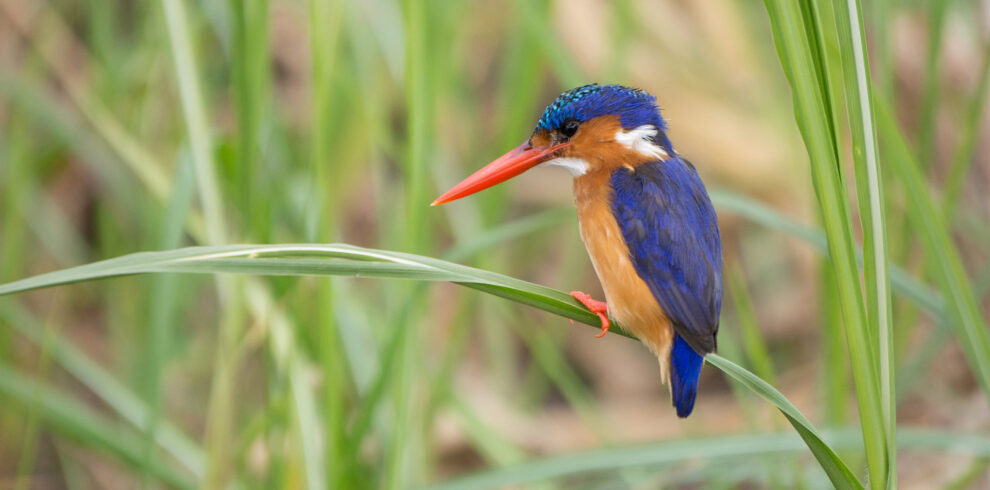
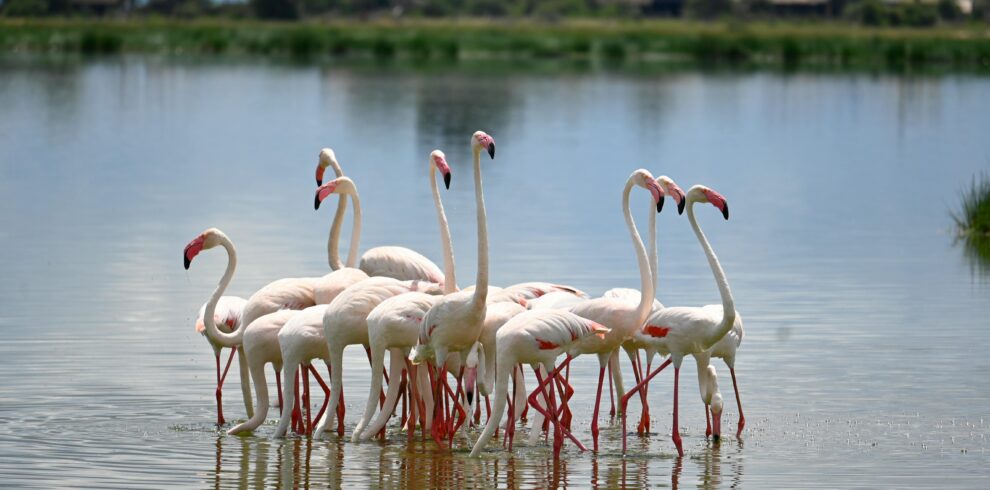
Ruaha National Park is a birding hotspot, with more than 570 species recorded. The park’s diverse habitats support a wide range of birds, from raptors like the African fish eagle and bateleur to ground-dwelling species like the yellow-necked spurfowl. The park’s riverbanks are home to waterbirds such as kingfishers, herons, and African jacanas. Migratory birds, including European swallows and waders, visit from November to April, though birdwatching is excellent year-round.
Fun Facts
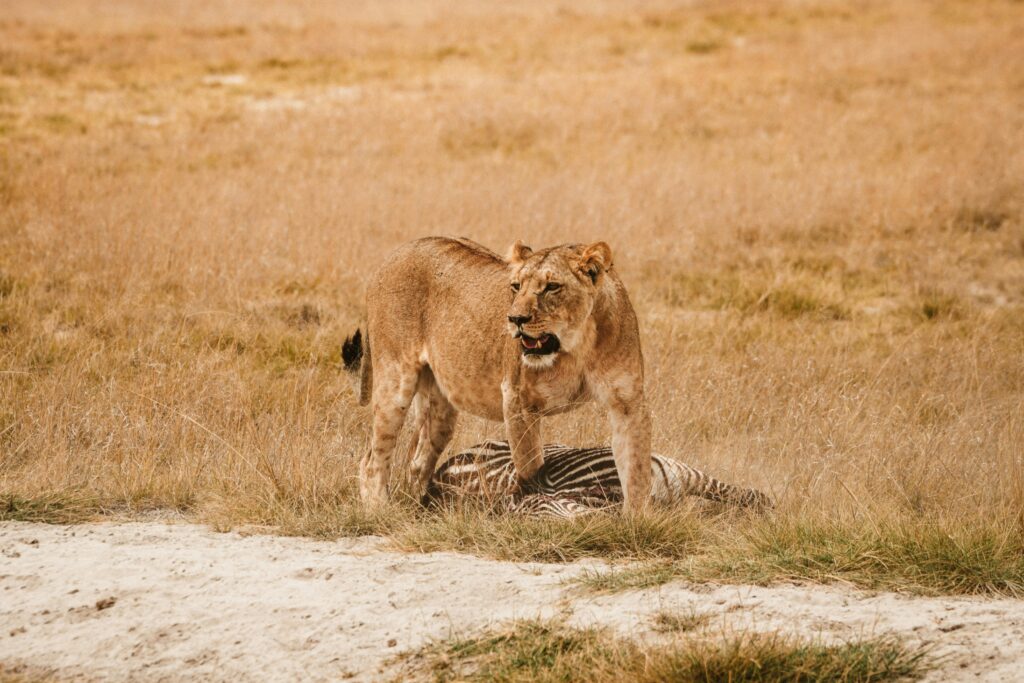
Wildlife Haven: Ruaha is home to some of the largest populations of wildlife in Tanzania. It boasts the largest population of elephants in the country, with over 10,000 individuals. It’s also a key habitat for lions, leopards, cheetahs, and a range of other predators.
Birdwatching: The park is an excellent destination for birdwatching, with over 570 bird species recorded. It’s particularly popular during the wet season when migratory species flock to the park, including black storks, marabou storks, and eagles.
Diverse Ecosystems: Ruaha’s diverse landscapes range from river valleys to baobab-studded plains, creating a variety of habitats for animals. The combination of miombo woodlands and savanna means there is always something different to see, from herds of antelope to majestic giraffes.
Rare Wild Dog Sightings: Ruaha is one of the best places in Tanzania to see African wild dogs, a highly endangered species. The park’s remote location and diverse habitats make it an ideal spot for these elusive predators.
Baobab Trees: The park is scattered with giant baobab trees, some of which are hundreds of years old and offer stunning backdrops for wildlife photography.
Best time to visit Maasai Mara Game Reserve
Dry Season (June to October): The dry season is the best time to visit Ruaha National Park. As the water sources dry up and the vegetation thins, wildlife congregates around the Ruaha River and other waterholes, making it easier to spot animals. The weather is generally sunny, and the park is less crowded, offering a more intimate safari experience.
Green Season (November to May): The wet season transforms Ruaha into a lush paradise, with vibrant greenery and a burst of wildlife activity. While animals are more dispersed, this is the best time for birdwatching, as migratory birds arrive and the park’s flora flourishes. However, the park can be difficult to access due to the rains, and some roads may become impassable.
Ruaha National Park is ideal for those seeking a remote, wild, and authentic safari experience. Its expansive landscapes, abundant wildlife, and relative isolation make it one of Tanzania’s most untouched and beautiful parks. The park’s diversity in ecosystems and species—combined with its large populations of predators, elephants, and rare animals—makes it a must-visit for safari enthusiasts looking for adventure off the beaten path.