Gishwati Mukuru Park
Gishwati Mukuru National Park
Gishwati Mukuru National Park is one of Rwanda’s newest national parks, located in the western part of the country near the Virunga Mountains. This park covers an area of around 34 square kilometers and is known for its dense forests, dramatic mountain scenery, and the rich biodiversity it supports. Originally, the Gishwati area was part of a larger forest that was heavily deforested for agriculture and human settlements. However, since its creation in 2015, there has been a significant effort to restore the park, making it an important conservation success story.
The park is part of the Gishwati Forest, and it offers visitors an opportunity to explore some of Rwanda’s montane forest ecosystems. Visitors can enjoy hiking, wildlife viewing, and cultural tours of nearby communities. The forest here is a vital habitat for primates, birds, and several endemic species. Gishwati Mukuru also holds historical significance as a place of both natural and cultural importance.


Experience the Gishwati Mukuru National Park
Wildlife at the Gishwati Mukuru
Gishwati Mukuru is known for its primate populations, especially the golden monkeys and chimpanzees, which can be seen on trekking expeditions. The forest is also home to the rare L’Hoest’s monkeys, which are endemic to the Albertine Rift region. Other mammals include buffaloes, antelope species, and wild pigs. While the park is still in the process of full restoration, it has significant potential for wildlife sightings in a peaceful, unspoiled environment.
Birdlife at the Gishwati Mukuru
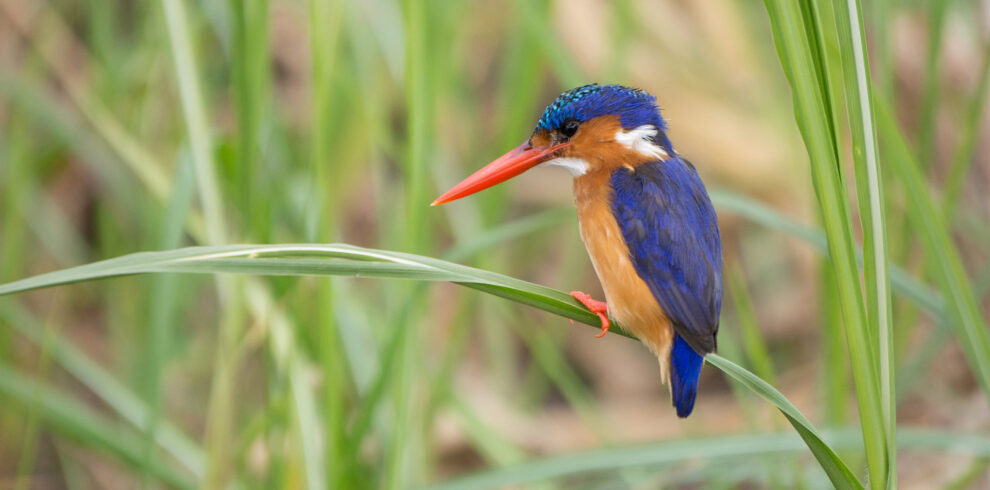
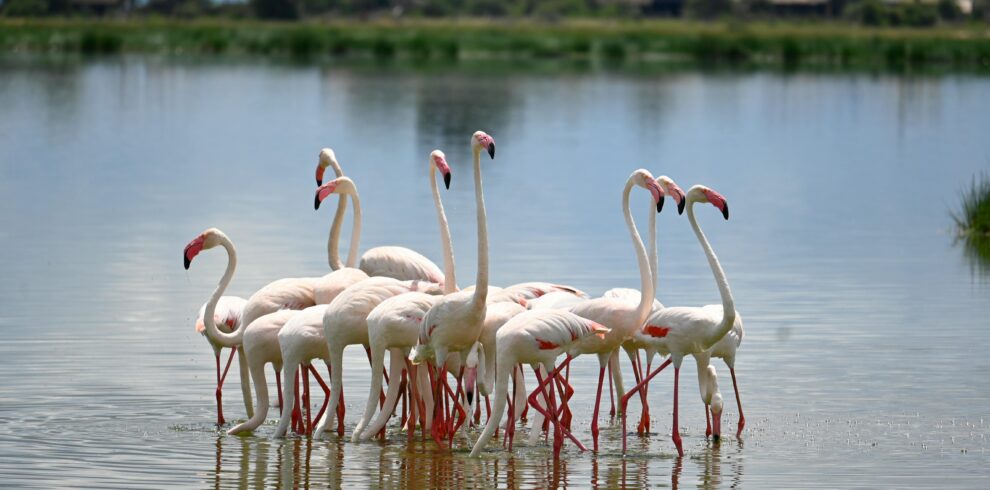
The park is rich in bird species, with over 200 bird species recorded. The dense forests are home to both endemic species of the Albertine Rift and migratory species, such as the red-faced barbets, blue-headed sunbird, and Rwenzori turaco. Birdwatchers will find plenty of opportunities to spot forest birds in the lush, tranquil surroundings of Gishwati Mukuru.
Fun Facts
- Gishwati Mukuru is one of the newest national parks in Rwanda, created to restore and protect the once-depleted Gishwati Forest.
- The park’s remoteness and small size make it an ideal spot for those seeking an intimate wildlife experience in Rwanda.
- The park’s restoration is a critical conservation project, involving local communities in sustainable activities and eco-tourism.
Best time to visit Gishwati Mukuru National Park
The best time to visit Gishwati Mukuru is during the dry season (from June to September and December to February), when hiking and wildlife spotting are easier. The wet season (from March to May and October to November) can be very rainy, making trails slippery and less accessible.
Gishwati Mukuru National Park is a hidden gem in Rwanda, offering visitors a peaceful retreat into a restored forest ecosystem. With its rich primate and birdlife, it is ideal for those seeking an off-the-beaten-path adventure and a more intimate wildlife experience in Rwanda.