Lake Manyara National Park

Lake Manayara National Park

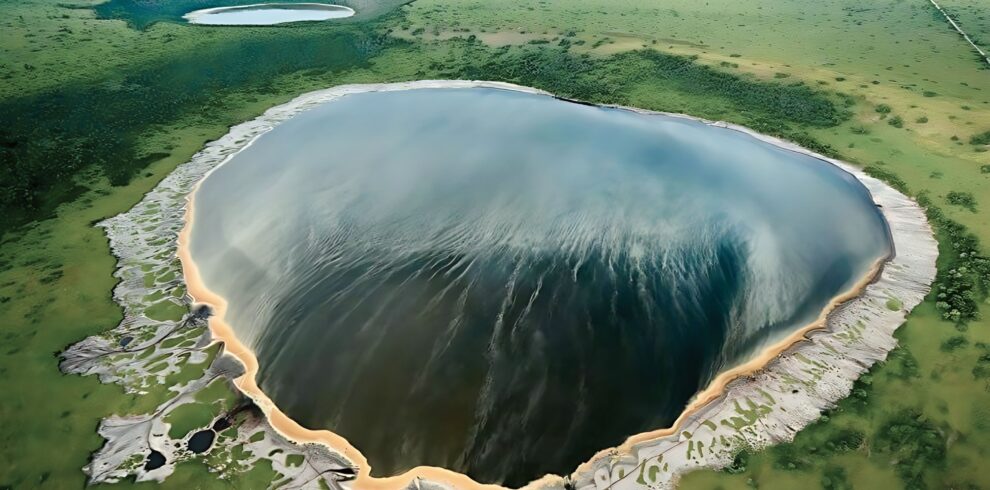
Lake Manyara National Park, located in northern Tanzania, is one of the smallest national parks in the country but offers a rich and diverse wildlife experience. The park is famous for its stunning mosaic of landscapes, which include woodlands, savannas, grasslands, and the alkaline Lake Manyara itself, from which the park gets its name.

The park is known for its tree-climbing lions, flamingos, and its wide variety of birds and animals. It’s a great destination for visitors who want to experience a mix of ecosystems in a relatively compact area, making it perfect for a half-day or full-day safari.

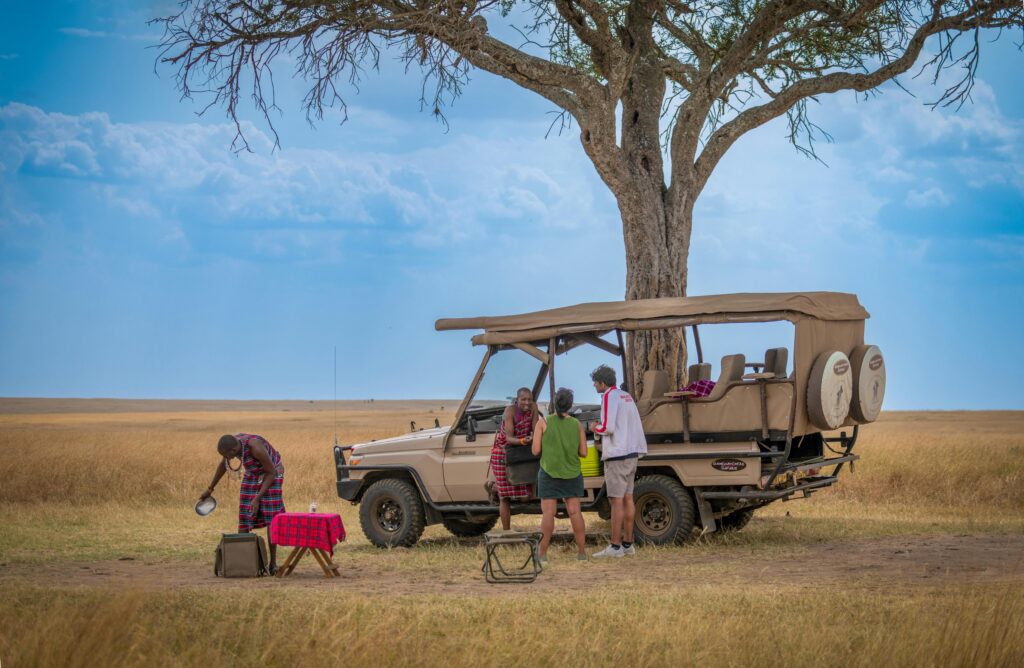
Experience the Maasai Mara

Wildlife at the L. Manyara

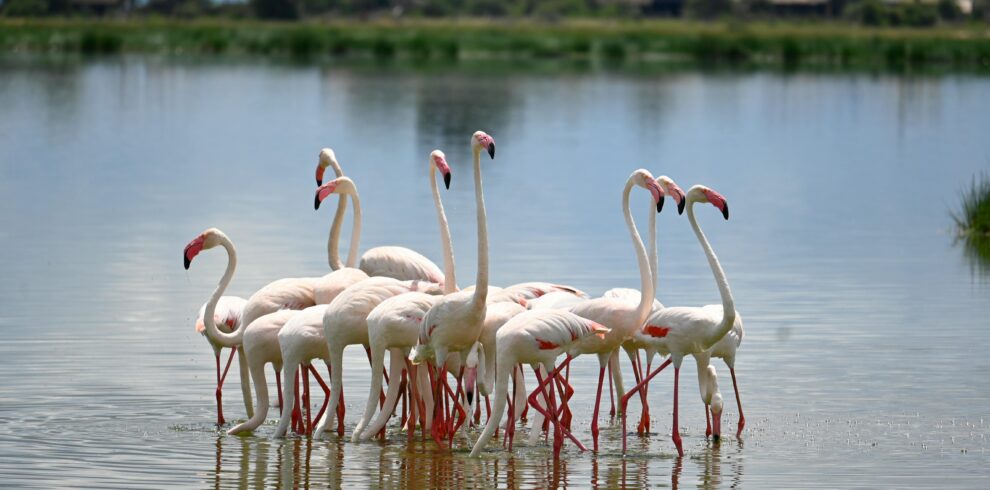
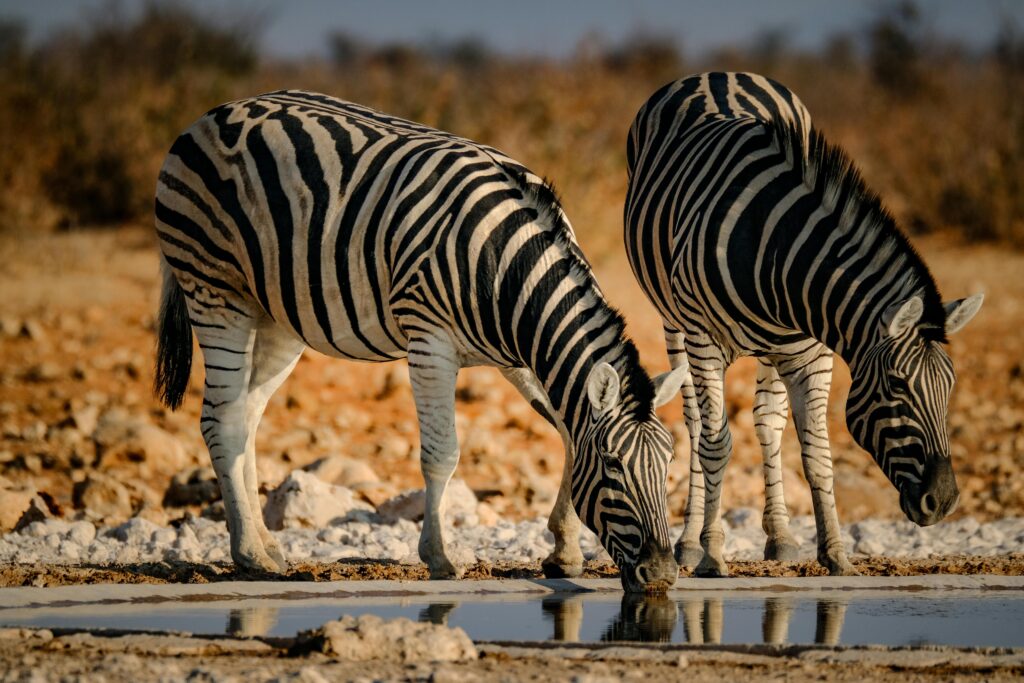
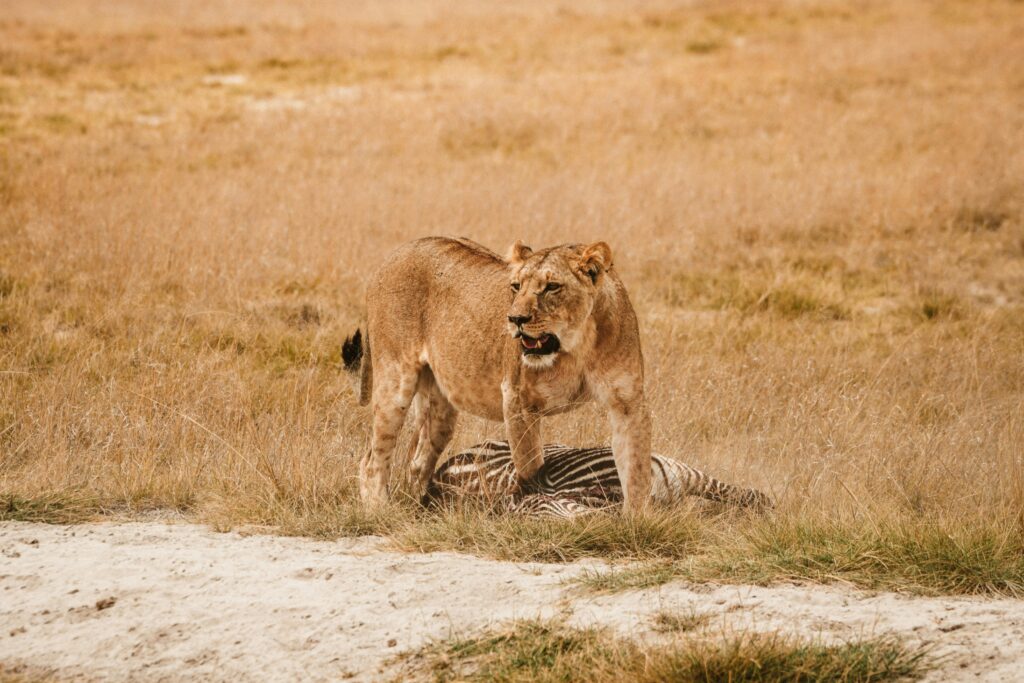
Lake Manyara National Park is a diverse and scenic park, famous for its tree-climbing lions and large flocks of flamingos. The park’s lush groundwater forests are home to elephants, baboons, and hippos, while its open grasslands support giraffes, zebras, and buffalo. Predators like lions and leopards can occasionally be spotted, though they are more elusive. The alkaline Lake Manyara attracts large populations of flamingos and other waterbirds, making it a fantastic spot for birdwatching in addition to wildlife viewing.

Birdlife at the L. Manyara

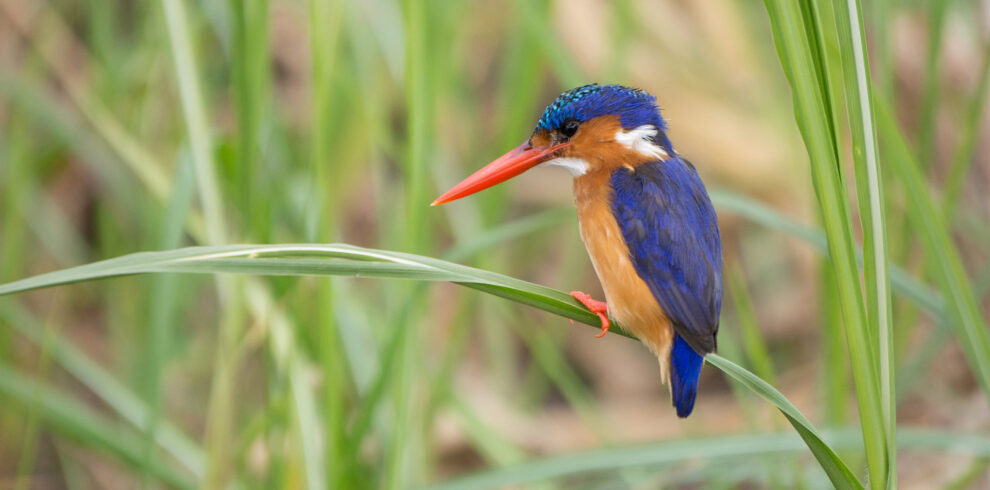
Lake Manyara National Park is renowned for its birdlife, with over 400 species recorded. The lake’s alkaline waters attract thousands of flamingos, creating a stunning pink spectacle. Pelicans, cormorants, and various species of herons and egrets are also common around the lake. The surrounding woodlands and forests are home to a variety of bird species, including hornbills, kingfishers, and barbets. Migratory birds arrive from November to March, enhancing the birdwatching experience during this period.
Fun Facts

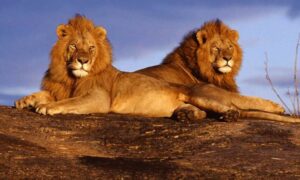
  • Tree-Climbing Lions: Lake Manyara is one of the few places in the world where you can see tree-climbing lions. These lions are known to climb the park’s acacia trees, especially during the hot part of the day, either to avoid the heat or to get a better view of their surroundings. It’s a rare sight, but visitors can sometimes spot them lounging in the branches.

  • Birdwatcher’s Paradise: The park is a haven for birdwatchers, with over 400 bird species recorded here. In addition to large flocks of flamingos, visitors can also see pelicans, cormorants, and migratory birds like the yellow-collared lovebird. Birdwatching is particularly spectacular during the wet season when the lake attracts a myriad of bird species.

  • Alkaline Lake: Lake Manyara is a shallow alkaline lake that is often home to thousands of flamingos, especially during the wet season. Its fluctuating water levels provide a rich feeding ground for a variety of bird species.

  • Varied Ecosystems: The park is unique in that it contains several distinct ecosystems, including forests, savannas, and swamps, all of which support a diverse array of wildlife, from elephants and giraffes to monkeys and hippos.

  • One of the Great Rift Valley Parks: Lake Manyara is located on the eastern edge of the Great Rift Valley, and offers stunning views of the valley’s escarpment. The park is also in close proximity to other famous wildlife areas, such as the Serengeti and Ngorongoro Crater, making it a great stop on any northern Tanzania safari.

  • Hot Springs: Lake Manyara is home to the Maji Moto hot springs, where visitors can take a quick dip in the warm waters after a day of safari, offering a unique way to relax and enjoy the natural beauty of the area.

Best time to visit Maasai Mara Game Reserve

  • Dry Season (June to October): The best time to visit Lake Manyara is during the dry season. The vegetation thins out, and animals gather around the park’s water sources, making them easier to spot. It’s also the best time for seeing the famous tree-climbing lions and other wildlife as they tend to stay close to the lakeshore.

  • Green Season (November to May): This is the wet season, and the park comes alive with lush greenery. Migratory birds arrive in large numbers, making it an excellent time for birdwatchers. However, wildlife can be harder to spot as animals disperse across the park and the vegetation becomes dense.

Other Popular Destinations

Scroll to Top
× Hi, how can we simplify, your travel?
×