Nyerere National Park

Nyerere National Park

Nyerere National Park (formerly known as Selous Game Reserve) is one of Tanzania’s largest and most remote wilderness areas. Located in the southern part of the country, covering over 30,000 square kilometers, Nyerere National Park is larger than many countries and offers a vast, unspoiled wilderness that’s perfect for adventurous travelers. It is named after Julius Nyerere, the first president of Tanzania, who played a significant role in conservation efforts.

Nyerere is renowned for its rich biodiversity and stunning landscapes, including savanna plains, woodlands, wetlands, and rivers, most notably the Rufiji River. The park is home to some of the largest populations of elephants in Africa, and it also features a wide variety of other wildlife, including lions, leopards, wild dogs, and the endangered black rhino.

Experience the Nyerere National Park

Wildlife at the Nyerere National Park

Nyerere National Park, formerly known as the Selous Game Reserve, is one of Africa’s largest protected areas. The park offers a true wilderness experience with vast areas of untouched landscape. It is home to a diverse range of wildlife, including large populations of elephants, buffalo, and lions. The Rufiji River, which flows through the park, attracts animals during the dry season, providing excellent opportunities for boat safaris. The park also supports a healthy population of African wild dogs, which are one of the most sought-after sightings in the area.

Birdlife at the Nyerere National Park

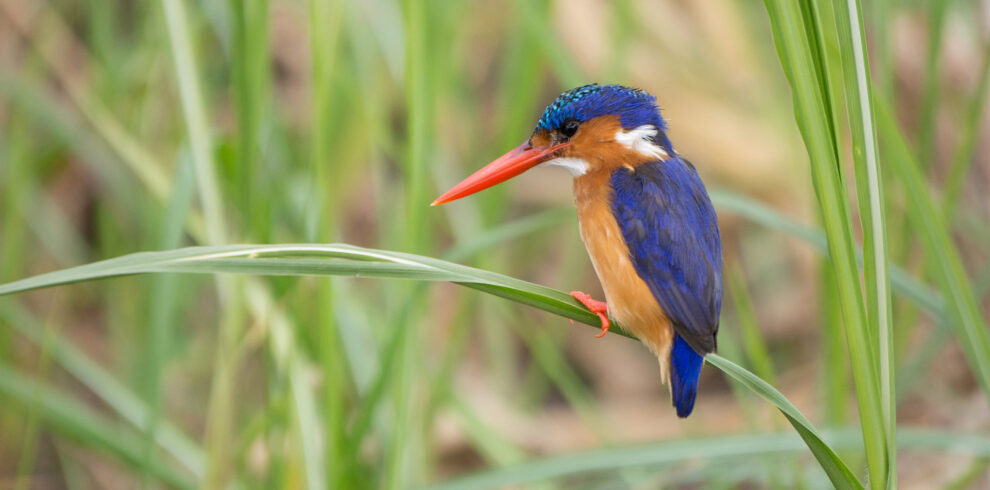
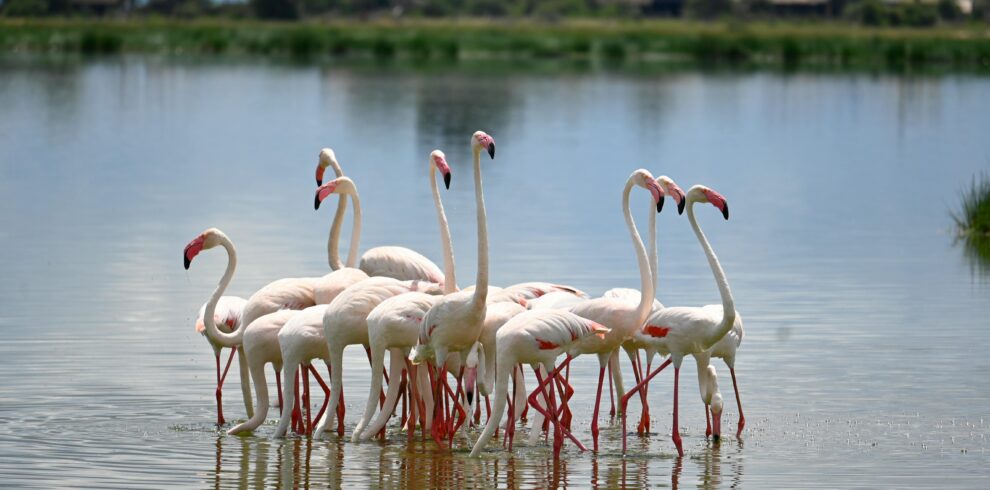
Nyerere National Park is a birdwatcher’s paradise, with over 440 species recorded. The park’s wetlands, woodlands, and savannahs offer habitats for a wide variety of birds. Waterbirds such as African skimmers, pink-backed pelicans, and goliath herons can be seen along the Rufiji River. Raptors, including fish eagles and bateleurs, are commonly spotted in the skies. Migratory birds visit from November to March, but the park’s diverse birdlife can be enjoyed year-round.
Fun Facts

  • Largest National Park in Tanzania: Nyerere is not only one of the largest national parks in Tanzania, but it is also one of the largest protected areas in the world. It was designated as a UNESCO World Heritage Site in 1982 due to its vast size and ecological significance.

  • Elephant Paradise: Nyerere is home to one of the largest elephant populations in Africa. During the dry season, huge herds of elephants can be seen gathering along the Rufiji River. The park’s elephant population is estimated to number over 50,000 individuals, making it a prime destination for elephant lovers.

  • Rufiji River: The Rufiji River is a major feature of the park, stretching over 600 kilometers and meandering through the park’s wetlands and forests. It supports a diverse ecosystem, providing life for animals such as hippos, crocodiles, and countless bird species. Game viewing along the river is exceptional, particularly during the dry season.

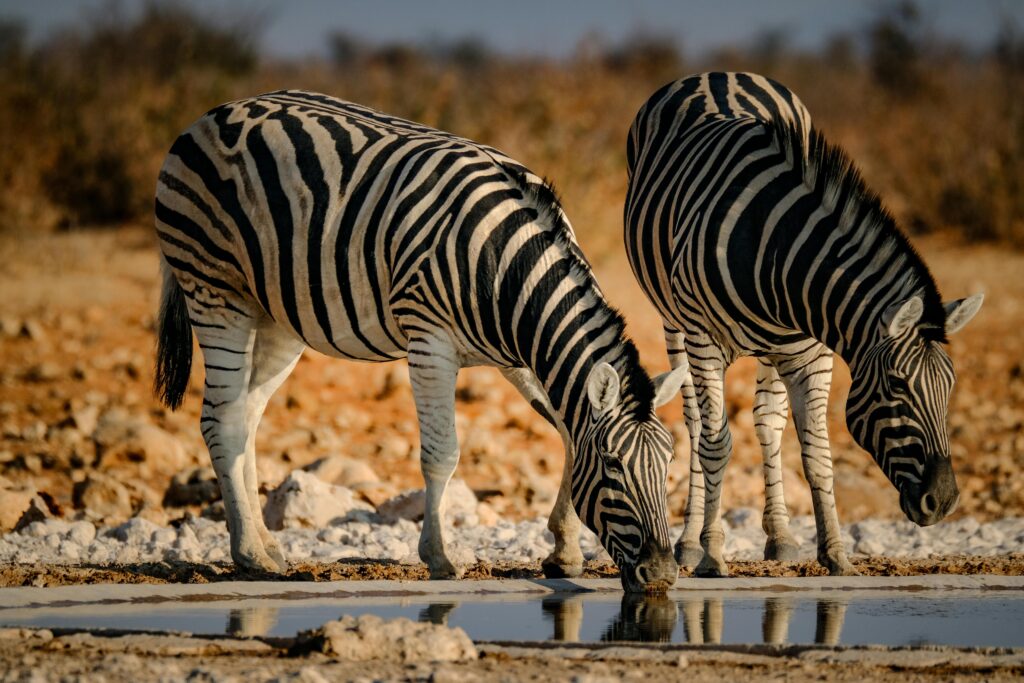
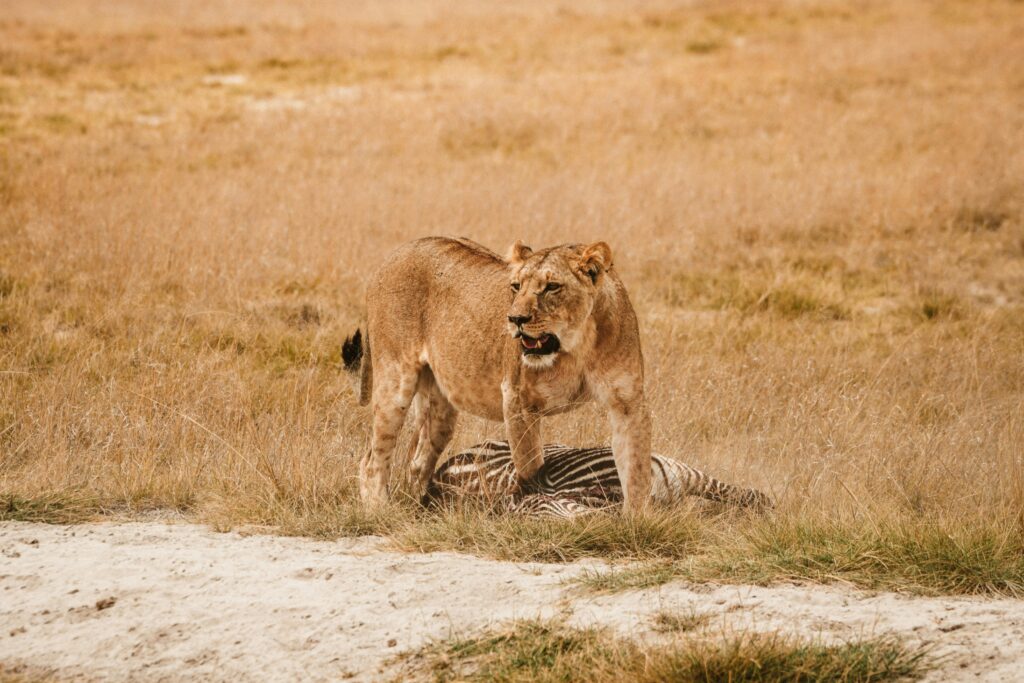
  • Diverse Ecosystems: The park’s ecosystems vary widely, from riverine forests and wetlands to dense miombo woodlands and open savanna. This diversity creates a habitat for a huge variety of wildlife, including lions, leopards, cheetahs, wild dogs, and a wide range of antelope species.

  • Rhino Conservation: Nyerere is part of Tanzania’s efforts to conserve the endangered black rhino, with a rhino sanctuary established in the park to protect the species from poaching and ensure their population growth.

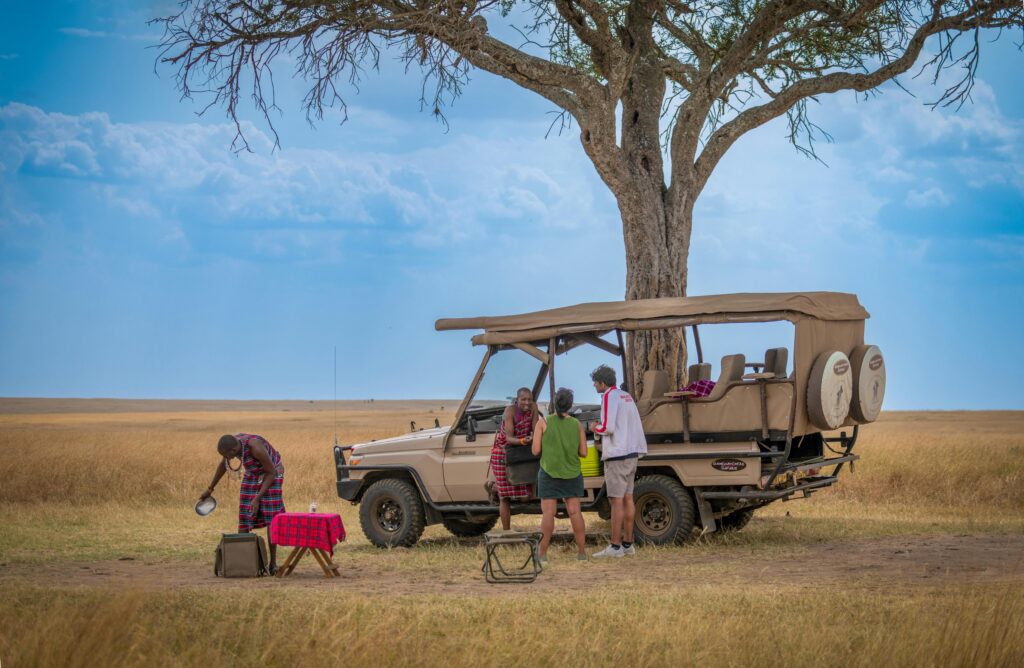
  • Safari Activities: Nyerere offers unique safari experiences, including boat safaris along the Rufiji River, walking safaris, and traditional game drives. These activities provide a chance to explore the park’s diverse landscapes from different perspectives.

Best time to visit Nyerere National Park

  • Dry Season (June to October): The best time to visit Nyerere is during the dry season, when wildlife concentrates around the park’s rivers and waterholes. The weather is warm and sunny, and the sparse vegetation makes it easier to spot animals. Game drives are easier, and the chances of seeing large concentrations of wildlife are higher, especially along the Rufiji River.

  • Green Season (November to May): The wet season is a beautiful time to visit Nyerere for those looking for lush landscapes and fewer crowds. The park is transformed into a green paradise, and birdwatching is at its peak due to migratory birds arriving. However, wildlife can be harder to spot as animals disperse, and some areas may become inaccessible due to the rain.

Nyerere National Park is a vast, pristine wilderness that offers an authentic and adventurous safari experience. Its incredible size, varied ecosystems, and rich wildlife make it a top destination for wildlife enthusiasts looking to experience Tanzania’s wilderness away from the more touristy parks. From the huge elephant herds along the Rufiji River to the elusive wild dogs, Nyerere is a true wildlife sanctuary. Whether you’re enjoying a boat safari along the river, a walking safari in the miombo woodlands, or a game drive in search of the Big Five, Nyerere provides a memorable and immersive safari experience.

Other Popular Destinations

Scroll to Top
× Hi, how can we simplify, your travel?
×