Tarangire National Park

Tarangire National Park

Tarangire National Park, located in northern Tanzania, is one of the lesser-known gems of the Tanzanian safari circuit, yet it offers an extraordinary wildlife experience. The park is situated in the Great Rift Valley, and it’s named after the Tarangire River, which provides a vital water source during the dry season.

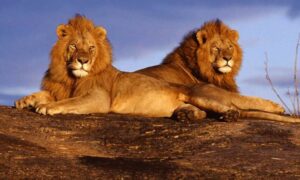
Famed for its impressive population of elephants, Tarangire is also home to a variety of other animals, including lions, leopards, giraffes, zebras, and wildebeest. It’s particularly well-known for its ancient, massive baobab trees, which add a striking feature to the landscape. The park’s combination of diverse ecosystems—from riverine forests to savanna grasslands—ensures that visitors can see a wide range of wildlife throughout the year.

Experience the Maasai Mara

Wildlife at the Tarangire National Park

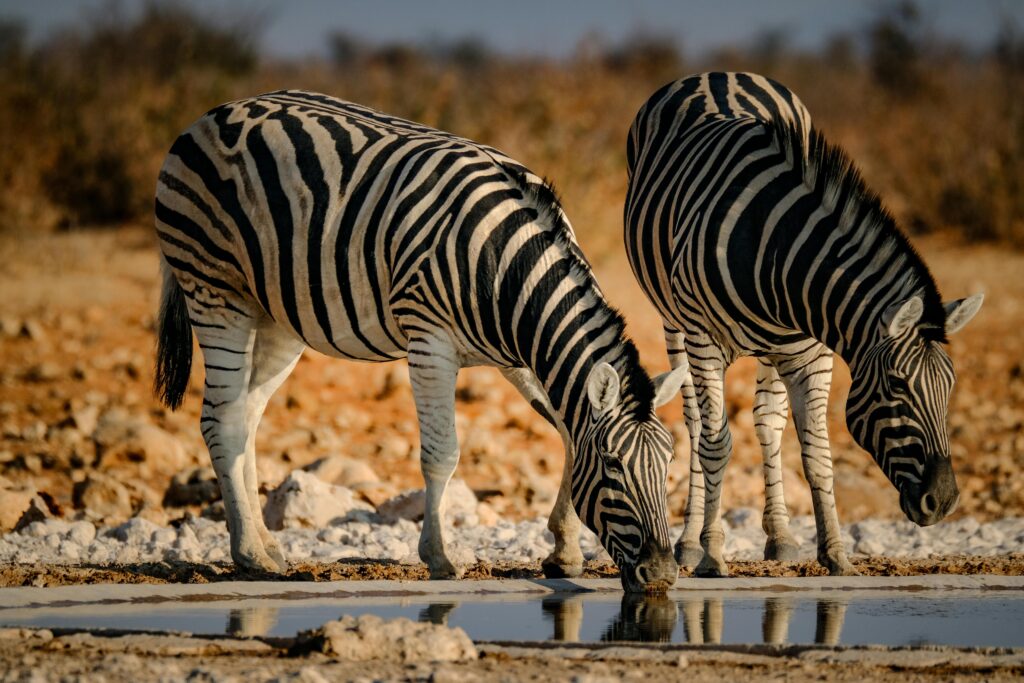
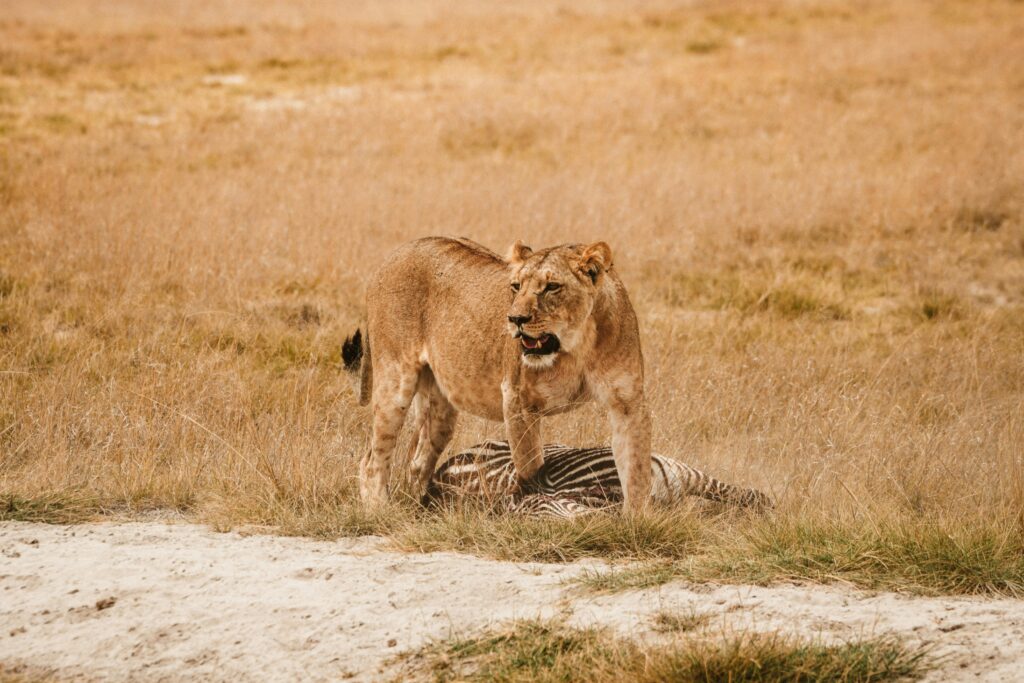
Tarangire National Park is famous for its large elephant herds and iconic baobab trees. During the dry season, from June to October, the park's Tarangire River becomes a vital source of water, attracting a high concentration of wildlife. Elephants, zebras, wildebeest, and buffalo gather in large numbers, providing excellent game-viewing opportunities. Predators such as lions, leopards, and cheetahs are also present, though they tend to be more elusive. Giraffes and various species of antelope, including the fringe-eared oryx and lesser kudu, roam the park’s plains and woodlands.

Birdlife at the Tarangire National Park

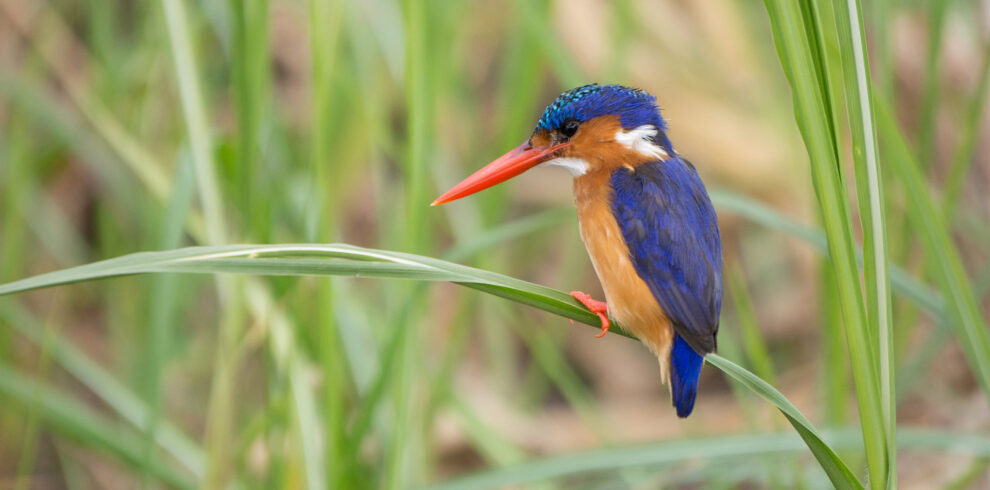
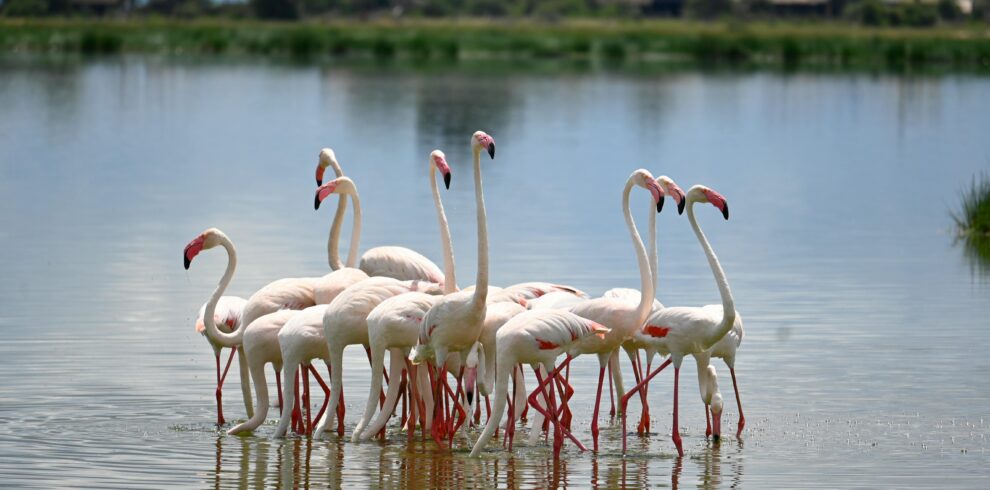
Tarangire National Park boasts over 550 bird species, making it one of the best birding destinations in Tanzania. The park's mix of savannah and woodland habitats attracts a wide variety of bird species, including hornbills, weavers, and francolins. Raptors like the martial eagle and the colorful lilac-breasted roller are commonly seen soaring through the skies. Waterbirds such as yellow-billed storks and African fish eagles can be spotted along the park’s waterways. Migratory birds are present from November to April, though resident species offer fantastic birdwatching year-round.
Fun Fact

  • Elephant Paradise: Tarangire is home to one of the largest elephant populations in Tanzania. Visitors often see large herds of elephants roaming the park, sometimes numbering in the hundreds.

  • Baobab Trees: Tarangire is famous for its giant baobab trees, often referred to as “upside-down trees” because of their peculiar shape. Some of these ancient trees are over 1,000 years old and can store thousands of liters of water in their trunks.

  • Birdwatcher’s Haven: With over 550 bird species, Tarangire is a top destination for bird enthusiasts. You can spot species like the colorful yellow-collared lovebird, hornbills, and glossy starlings, especially in the wet season.

  • Wildlife Concentration: During the dry season, Tarangire has one of the highest wildlife densities in Tanzania, as animals come from surrounding areas to the Tarangire River for water.

  • Migratory Routes: While not as famous as the Great Migration in the Serengeti, Tarangire is part of the migratory route for wildlife, with large numbers of zebras, wildebeest, and gazelles moving through the park during certain times of the year.

  • Hidden Gem: Despite its natural beauty and abundance of wildlife, Tarangire is often less crowded compared to other Tanzanian parks like the Serengeti or Ngorongoro Crater, making it an ideal spot for a more intimate safari experience.

Best time to visit Maasai Mara Game Reserve

Dry Season (June to October): The best time to visit Tarangire is during the dry season, when wildlife congregates around the Tarangire River and the park’s few remaining water sources. This makes animal sightings easier and more frequent. Additionally, vegetation is sparse, increasing visibility for game viewing.

Green Season (November to May): During the wet season, Tarangire becomes lush and green, which attracts a different type of wildlife experience. This is also the time when migratory birds return, making it an excellent period for birdwatching. However, wildlife can be more dispersed, and some areas may become inaccessible due to the rain.

Other Popular Destinations

Scroll to Top
× Hi, how can we simplify, your travel?
×